

Servicing Heat Sealers: Common Faults, Safety Risks & When to Call an Engineer
Heat sealers are a critical part of many packing operations, used to seal bags, films and packaging materials quickly and securely. Whether you’re using an impulse heat sealer or a continuous heat sealer, consistent sealing quality is essential for product protection, presentation and safety.
While heat sealers are generally reliable, they operate under constant heat, pressure and electrical load. Over time, this leads to wear, drift and faults that often go unnoticed until sealing quality drops or the machine fails altogether.
This guide explains:
Common heat sealer problems we see in the field
Early warning signs operators often miss
The risks of ignoring declining seal quality
When professional heat sealer servicing is essential
What Is a Heat Sealer?
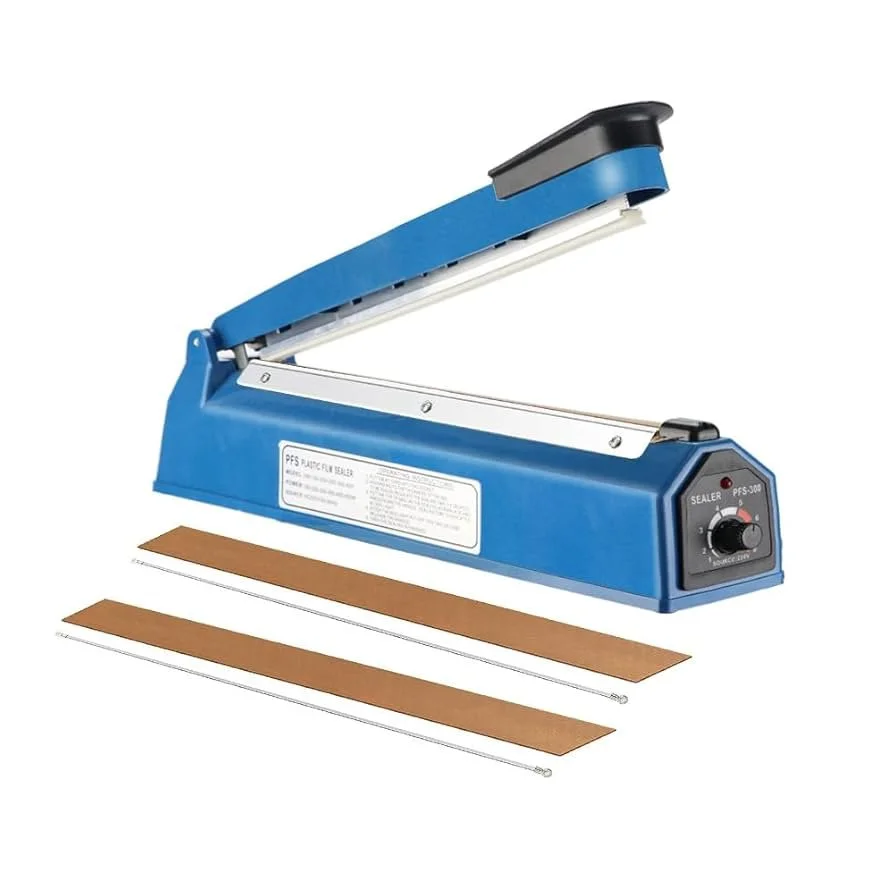
A heat sealer uses controlled heat and pressure to bond packaging materials together, creating an airtight or tamper-evident seal. They’re commonly used in food, medical, retail and industrial packaging environments.
Typical types include:
Impulse heat sealers (short bursts of heat)
Continuous band sealers (constant heat for higher output)
Bench-top and inline sealing machines
Heat sealers are often used alongside strapping machines, conveyors, paper tape machines and pallet wrapping equipment as part of a wider packing line.
Common Heat Sealer Problems
Many heat sealer faults develop gradually. Machines often continue operating — but not correctly.
1. Inconsistent or Weak Seals
One of the most common issues is seals that:
Split under light pressure
Appear sealed but fail in transit
Vary in strength across the seal width
This can be caused by internal heating element wear, pressure imbalance or control issues — all of which typically require professional inspection to diagnose correctly.
2. Overheating or Scorched Packaging
Excessive heat can:
Burn or distort packaging film
Damage products inside the pack
Increase rejection rates and waste
Overheating is often linked to faulty temperature control systems or worn components rather than simple operator settings.
3. Intermittent Operation or Power Issues
Heat sealers rely on stable electrical performance. Common warning signs include:
Machine cutting out mid-cycle
Delayed heating
Unresponsive controls
Electrical faults should never be treated as quick fixes — incorrect diagnosis can lead to repeat failures or permanent damage.
4. Reduced Output Speed
A heat sealer that still works but slows the line is one of the most expensive problems to overlook. Reduced throughput often indicates internal wear, misalignment or thermal inefficiency that worsens over time if left unaddressed.
The Risks of Ignoring Heat Sealer Issues
Poor heat sealing doesn’t just affect the machine — it affects your entire operation.
Common consequences include:
Product damage or contamination
Increased packaging waste
Customer complaints or returns
Line stoppages at peak production times
Higher long-term repair costs
By the time seals are visibly failing, the underlying fault is often already well developed.
When to Call a Heat Sealer Service Engineer
Professional servicing should be strongly considered if:
Seal quality has become inconsistent
Packaging shows signs of scorching or distortion
The machine behaves unpredictably
Output speed has dropped without explanation
The sealer hasn’t been serviced in the last 12 months
Preventative servicing almost always costs less than emergency breakdown repairs — especially during busy production periods.
Heat Sealer Servicing with Excelerate
Excelerate provides UK-wide servicing and repair for heat sealers as part of our wider packaging machinery support offering.
Our engineers service:
Impulse and continuous heat sealers
Standalone and integrated sealing systems
Heat sealers used in food, retail and industrial packaging
We also support strapping machines, paper tape machines, conveyors, banding machines and pallet wrapping equipment, allowing us to maintain entire packing lines rather than individual machines in isolation.
👉 Learn more about our UK-wide machinery servicing
