

Servicing Conveyor Systems: Common Problems and When to Call a Specialist
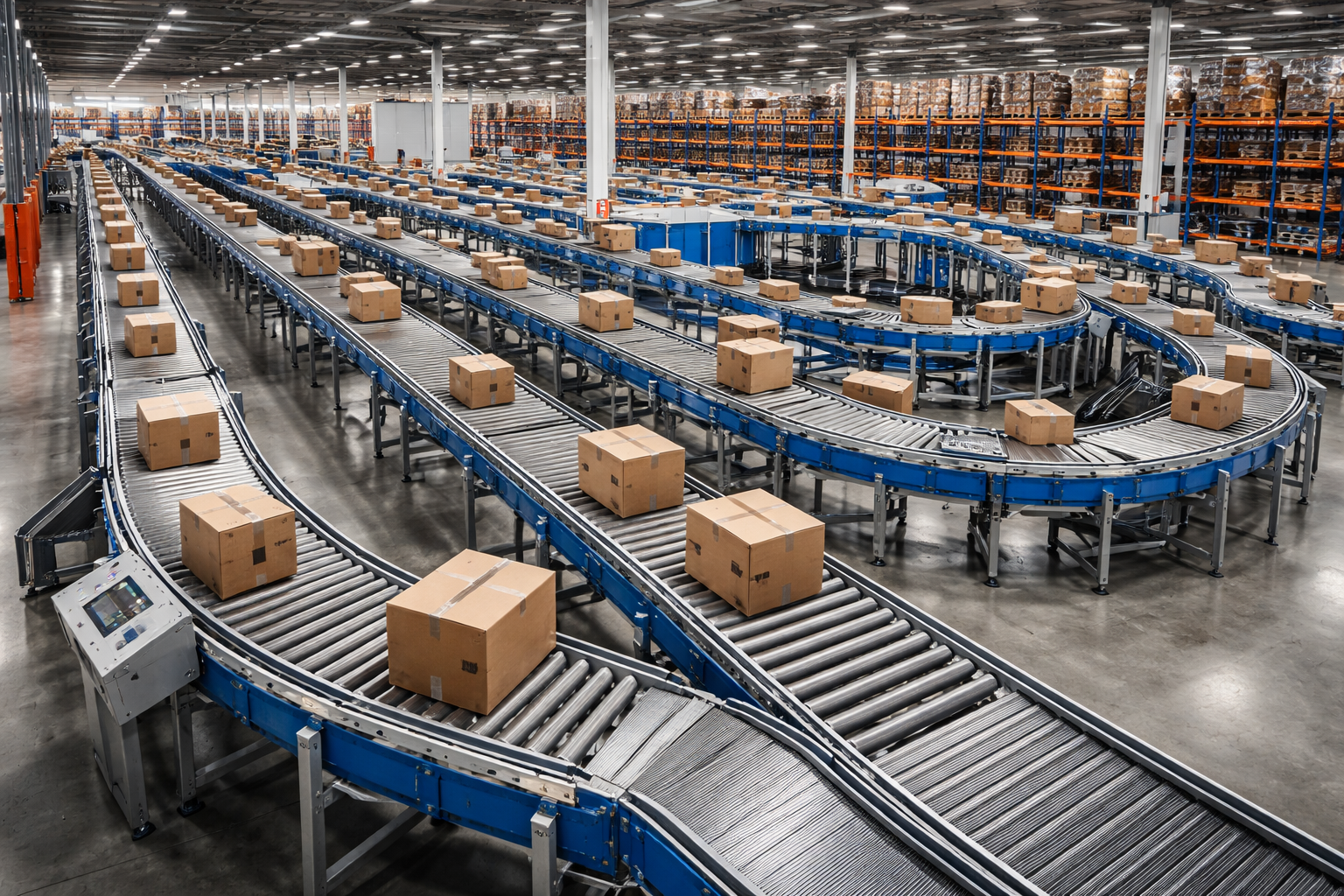
Conveyor systems are a central part of modern warehousing, packaging and manufacturing operations. Whether you’re using belt conveyors, roller conveyors or modular systems, they keep products moving through your line and help maintain consistent throughput.
Because conveyors operate continuously under load, faults can develop gradually and often go unnoticed until they disrupt your line. In this article we cover the most common conveyor system problems, the risks of ignoring them, and when professional servicing is essential.
Why Conveyor Systems Are Vital - and Vulnerable
A conveyor system moves materials or products from one point to another efficiently. Most industrial conveyors use a belt or roller driven by motors and controlled components, allowing bulk or packaged goods to flow without manual handling.
Their reliability makes them suitable for high-volume operations, but it also means faults directly impact productivity, safety, and service levels.
Common Conveyor System Problems We See
Inconsistent Belt Tracking and Misalignment
If a belt starts to drift off centre or rub against guides, it creates uneven wear and can damage the belt, rollers and frames. Misalignment often arises from long-term vibration, impacts or worn components.
Belt and Component Wear
Continuous operation eventually wears belts, rollers, idlers, pulleys and bearings. As these parts deteriorate, performance drops and the risk of failure increases.
Bearing and Roller Failures
Bearings and rollers are high-stress parts that run under load and often fail due to contamination, lack of proper maintenance or prolonged friction.
Motor and Drive System Issues
Overheating, motor strain or gearbox wear can stall or slow the conveyor. These faults are often caused by overloading, poor ventilation, belt drag or worn mechanical components.
Material Jams and Carryback
Accumulation of dust, debris or product under or around the conveyor belt can lead to blockages that impede movement and damage worn parts.
Control and Sensor Malfunctions
Conveyor systems often have electrical controls and sensors. Failures in wiring, switches or detection systems can disrupt operation and cause unpredictable stoppages.
The Risks of “Still Working” Conveyors
One of the biggest mistakes operations make is assuming a conveyor is fine because it still moves. In reality, many faults first show up as minor performance changes before escalating into significant breakdowns:
Belt drift and irregular motion
Increased motor load and energy use
Unexpected grinding, noise or vibration
Gradual drop in throughput
These symptoms often precede full failure and should not be ignored.
When to Call a Service Engineer
If you notice any of the following, a professional conveyor inspection and servicing is strongly recommended:
Persistent belt misalignment
Frequent jamming or blockages
Noticeable wear on belt components
Unusual noises or vibration
Motor overheating or inconsistent power draw
Sensor or control failures
Trying to patch these issues without proper diagnosis can lead to repeat failures, increased part wear and unplanned downtime that disrupts your packing line.
Conveyor System Servicing with Excelerate
Excelerate provides UK-wide professional servicing and repair for conveyor systems of all types. Our engineers are experienced in diagnosing both mechanical and electrical faults, replacing worn components and recommending upgrades to improve reliability and efficiency.
We look beyond immediate fixes to ensure conveyor systems operate safely and consistently in demanding material handling environments.
Learn more about our servicing offerings here.
