

Why Your Pallet Loads Are Not Stable After Wrapping
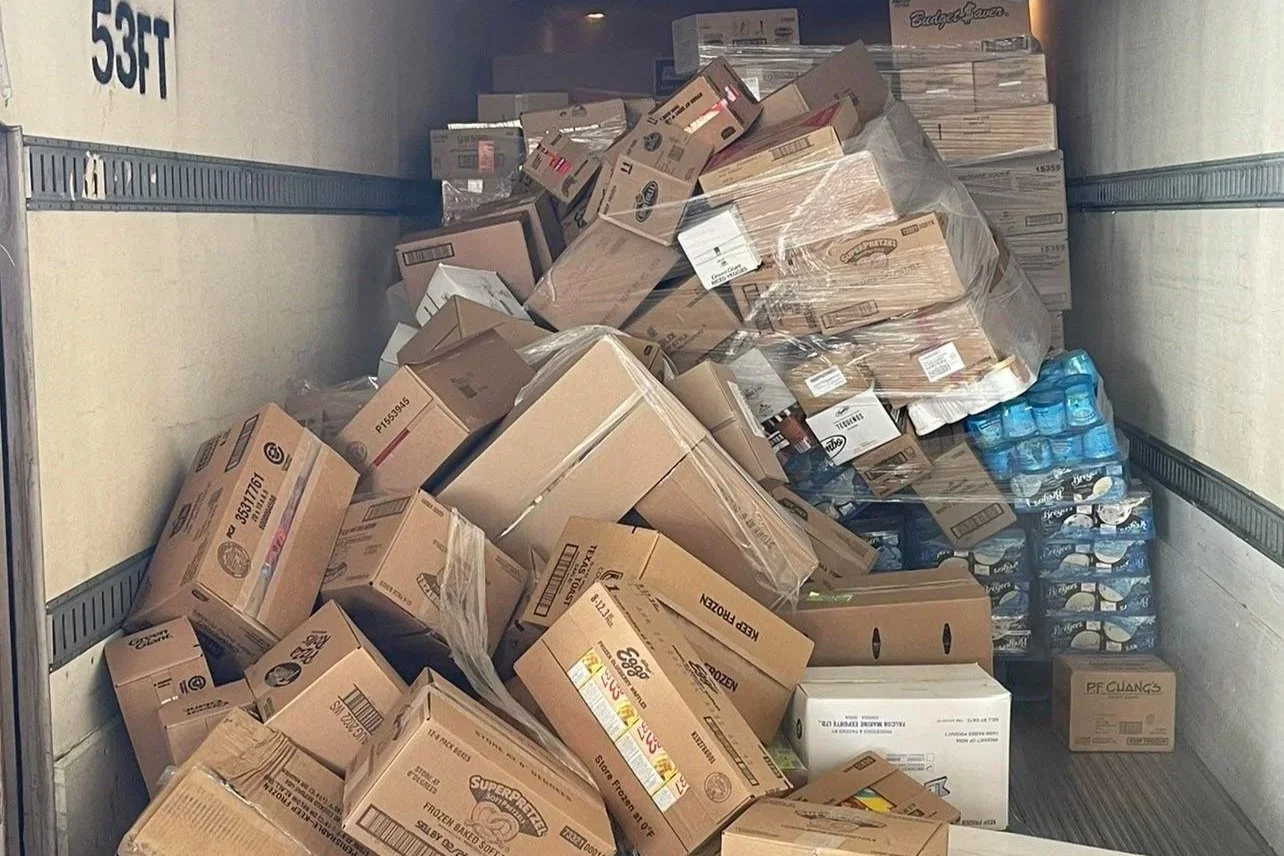
Pallet load fallen over in transport
If your pallet loads are shifting, leaning, or collapsing after wrapping, something is wrong in the system.
You might see:
pallets leaning in transit
loads moving on corners
damaged product on arrival
operators adding more wrap to compensate
At that point, the wrapping process is no longer under control.
This is rarely just a film issue.
What Stable Wrapping Actually Looks Like
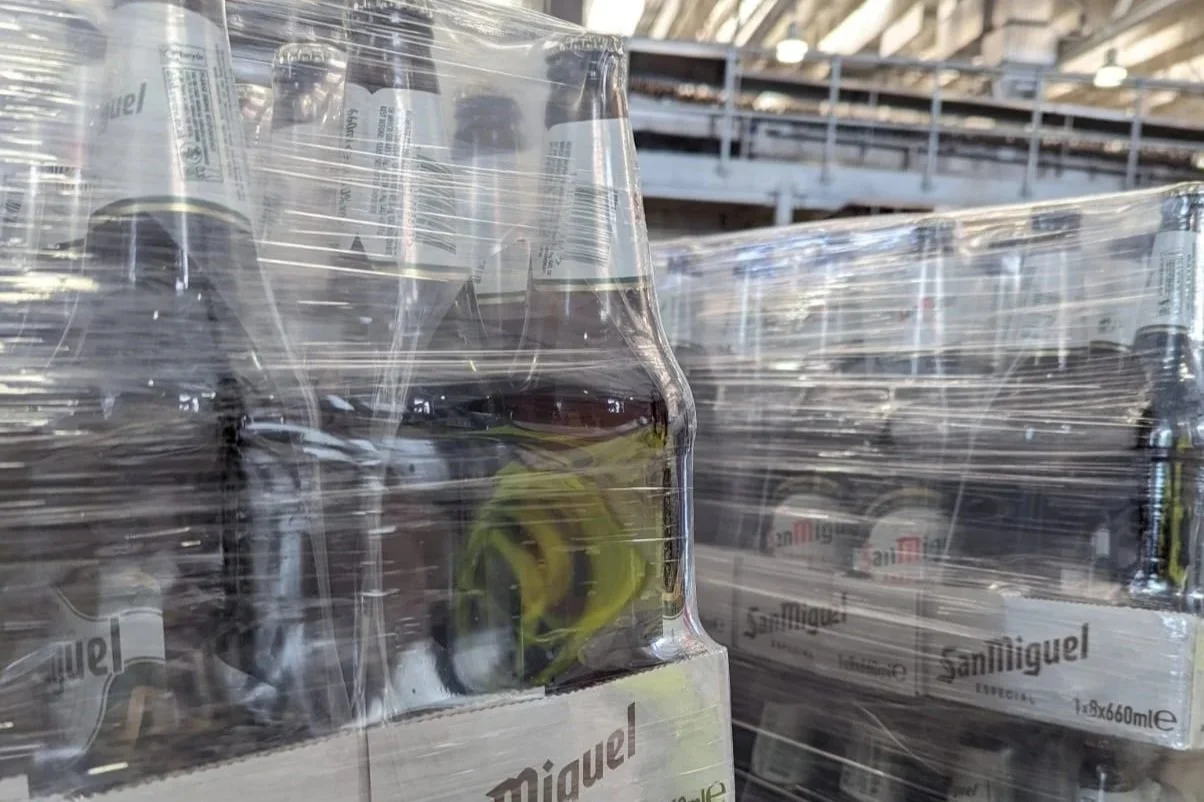
Pallet of bottled beer wrapped in high-performance Goliath nano film
A properly wrapped pallet should:
hold shape under movement
resist shifting during transport
maintain containment without excess film
be repeatable across loads
If that is not happening, the issue sits somewhere in:
machine setup
film performance and/or choice
wrapping pattern
What’s Actually Causing the Problem
We see the same causes repeatedly.
1. Incorrect Film Tension
If the film is not applied under proper tension:
it cannot hold the load together
containment force drops immediately
This is often caused by:
incorrect machine settings
worn components
poor setup
2. Not Enough Wrap in the Right Areas
It is not just about how much film is used.
It is about where it is applied.
Common issues:
not enough wraps at the base or minimal overlap
poor top coverage
inconsistent overlap
Adding more film randomly does not fix this.
3. Poor Pre-Stretch Performance
If the machine is not stretching film correctly:
film has not reached it’s “locking” point, meaning stretch is left in the wrap
product is liable to movement
stability drops
This links directly to:
worn rollers
drive issues
incorrect setup
4. Load Type Not Being Considered
Different loads behave differently.
Heavy, unstable or mixed pallets require:
different wrap patterns
different tension
different film types
Running everything on one setup causes problems.
5. Machine Drift Over Time
Most machines do not suddenly fail.
They drift.
Settings get adjusted. Components wear. Operators compensate.
Over time:
performance drops
inconsistency increases
nobody realises until failures happen
Why This Gets Misdiagnosed
In most cases, people assume:
“The film isn’t strong enough”
So they:
switch supplier
increase thickness
add more wraps
This usually:
increases cost
hides the real issue
does not fix stability properly
The Real Cost of Unstable Loads
This is where it becomes expensive:
damaged goods
rejected deliveries
increased film usage
wasted labour, repacking and repalletising
slower packing processes
Most of this cost is hidden until it builds up.
Repair vs Setup vs Material
This matters.
If loads are unstable, the issue is usually one of three:
machine setup problem
mechanical issue affecting tension or stretch
incorrect film for the application
Guessing does not solve this.
It needs to be assessed properly.
What To Do
If you are seeing:
unstable pallets
inconsistent wrapping
rising film usage
operators constantly adjusting settings
Then the system needs to be reviewed properly.
Not patched. Not guessed.
Diagnosed.
👉 View our pallet wrapper repair page:
https://www.excelerateltd.com/pallet-wrapper-repair
If the issue is gradual rather than a full fault, servicing and optimisation may be more appropriate.
👉 View our machinery servicing page:
https://www.excelerateltd.com/machinery-servicing
Conclusion
Most pallet stability issues are not caused by the film itself.
They are caused by how the machine is applying it.
Until that is corrected, the problem does not go away.
