

Pallet Wrapper Diagnostics Starts With The Real Fault, Not The Symptom
Unstable pallets, snapping film, random stoppages and poor wrapping consistency usually begin long before the machine fully breaks down. Excelerate engineers diagnose the mechanical, electrical and operational causes directly on-site.
Machines Quietly Degrade Before They Fail
Most pallet wrappers do not suddenly stop working overnight. Performance slowly drifts. Operators compensate. Extra film gets added. Wrapping slows down. Pallets become less stable. Small faults turn into mechanical failures.
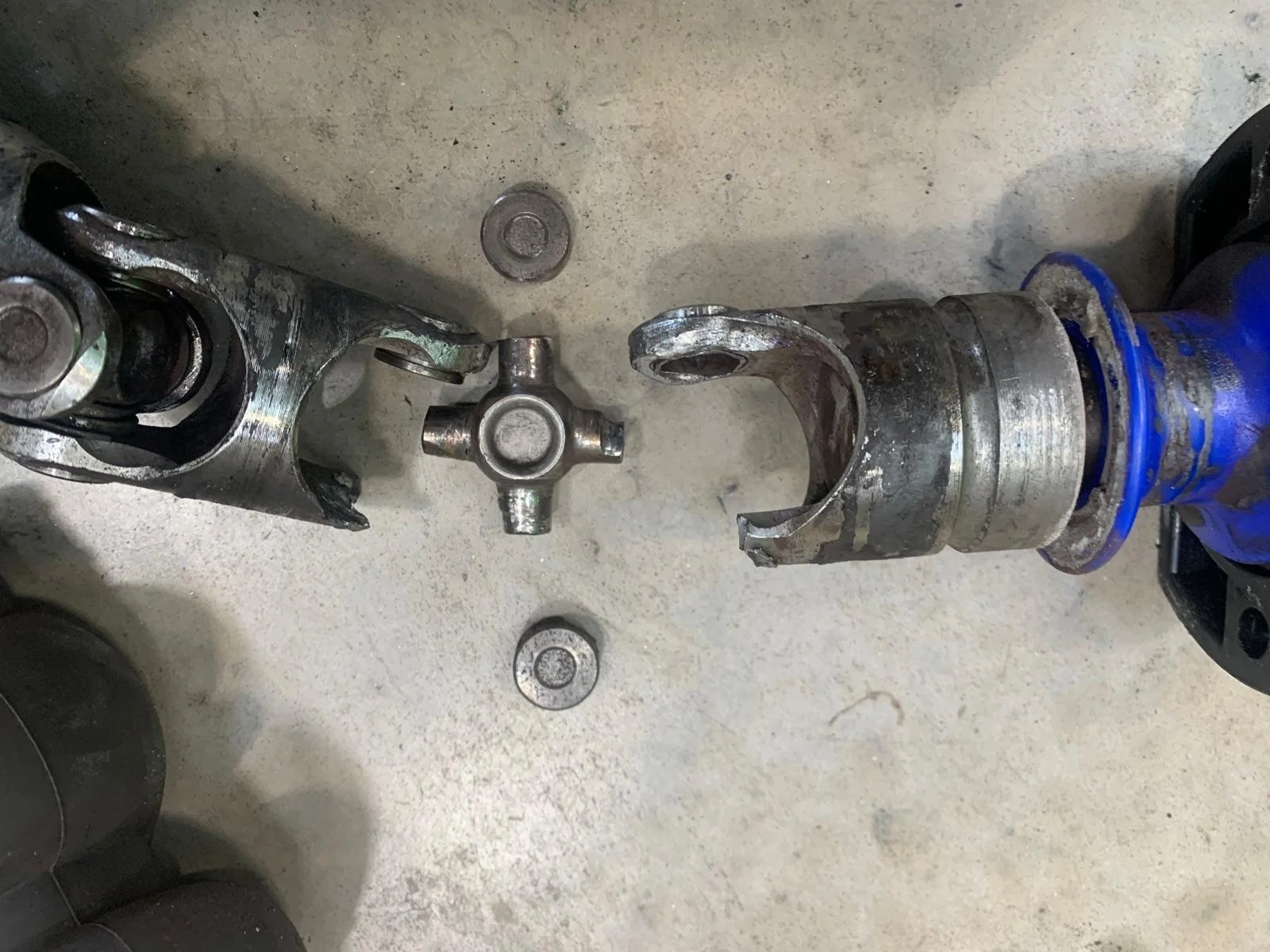
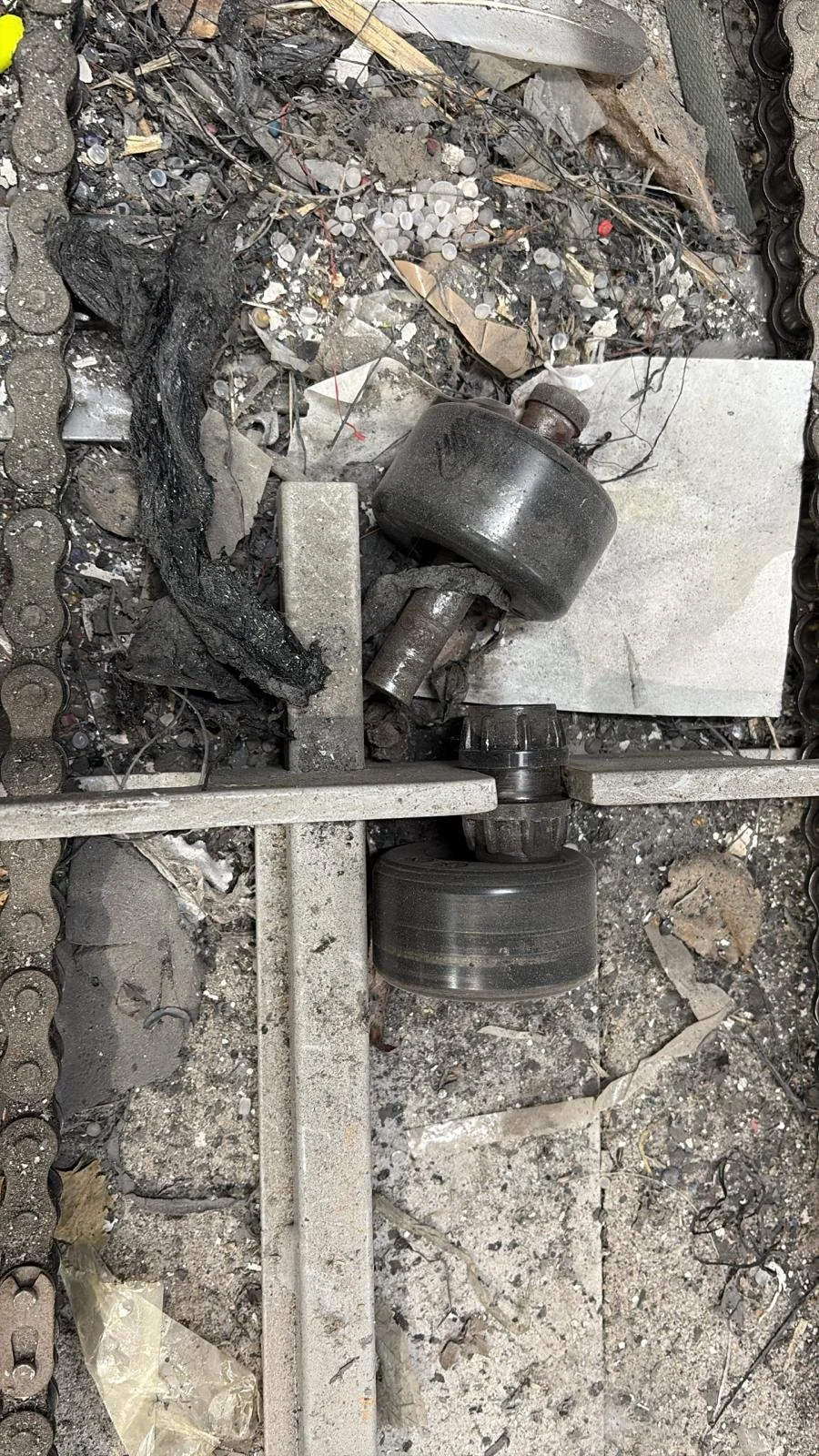
Businesses often blame the stretch film first because that is the visible symptom. In reality, the root cause may be worn bearings, slipping drives, damaged sensors, shaft movement, carriage drag or contamination deep inside the machine.
Excelerate’s diagnostic process focuses on identifying what is actually driving the operational problem before unnecessary costs escalate further.
Common Symptoms Of A Failing Pallet Wrapper
Operational symptoms are usually warning signs of a deeper issue developing inside the machine.
Film Snapping
Often linked to damaged rollers, tension instability, drag, poor pre-stretch setup or mechanical resistance.
Random Stoppages
Intermittent sensor faults and damaged position systems can stop machines unpredictably during operation.
Excessive Film Usage
Operators often compensate for poor wrapping performance by increasing revolutions and overlap.
Loose Loads
Poor containment force can stem from drive issues, worn systems or incorrect tension control.
Noisy Operation
Grinding, vibration and abnormal noise frequently point towards bearing wear or drivetrain stress.
Inconsistent Wrapping
If every pallet looks different, the machine is no longer behaving consistently under load.
One Failed Sensor Can Disrupt The Entire Wrapping Cycle
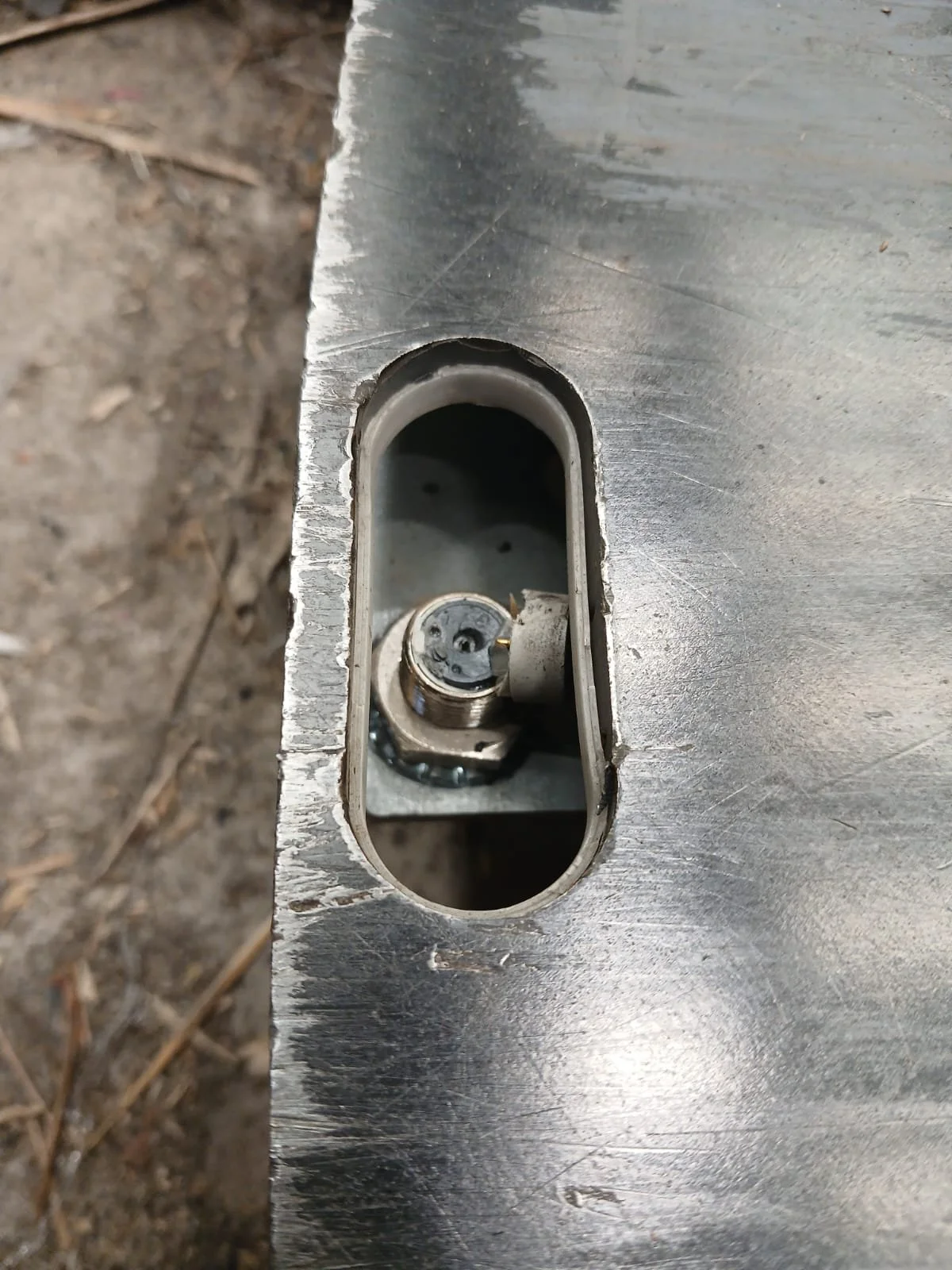
Position sensors are critical inside pallet wrapping machines. If the machine loses its home position reference, the wrapper may stop in the wrong place, rotate unpredictably or fail to complete cycles correctly.
These faults are often intermittent at first. Operators reset the machine and production continues, but the issue gradually worsens until downtime becomes unavoidable.
How Excelerate Diagnoses Wrapping Performance Problems
We assess the machine, the film and the operational behaviour together. That is where the real cause normally reveals itself.
Observe The Symptom
Film snapping, instability, stoppages, poor stretch or excessive material usage.
Inspect Critical Systems
Bearings, sensors, shafts, drives, belts, pre-stretch assemblies and tension systems.
Assess Wrapping Behaviour
Containment force, film path, carriage movement and machine consistency under operation.
Correct Root Cause
Repair, recalibration, optimisation or preventative servicing recommendations.
Robopac Fault Codes Often Point To Wider Operational Issues
Many Robopac alarms begin long before full machine failure occurs. Carriage instability, encoder faults, sensor drift, film break detection problems and inverter behaviour can all create repeated stoppages and inconsistent wrapping performance.
Our Robopac Fault Code Centre explains common alarm conditions, likely causes and where engineering investigation is normally required.

Continue Through The Technical Centre
Pallet wrapper diagnostics connect directly into servicing, repairs, containment force, film optimisation and operational wrapping performance.
Most Wrapping Problems Start Inside The Machine
Film snapping, unstable loads and inconsistent wrapping are usually symptoms of a deeper issue developing inside the pallet wrapper itself. Excelerate engineers diagnose the real cause before it turns into major downtime and escalating operational cost.