


Robopac Fault Codes & Error Codes
Robopac fault codes, error codes and alarms are designed to stop the machine when a safety, movement, drive, film, sensor or communication condition needs attention.
The code is the starting point. The real repair depends on what caused the alarm, how often it returns, and what the machine is doing before it faults.
Need active support? View our Robopac servicing, pallet wrapper repair, emergency repair and wrapper diagnostics pages.
- ✓ Robopac fault, error and alarm diagnosis
- ✓ Drive and carriage faults
- ✓ Film break and sensor alarms
- ✓ UK engineer support
Fault Codes Tell You Where To Look. They Do Not Complete The Diagnosis.
A Robopac alarm can be caused by a real component failure, a safety condition, an obstruction, poor film behaviour, damaged wiring, a tired drive system, incorrect setup or a fault that only appears under load.
What Sites Usually See
The machine stops, an alarm code appears, operators reset it, and production tries again. Sometimes that works once. Sometimes the fault comes straight back.
- ✕ Machine stops mid-cycle with an active alarm.
- ✕ Code clears but returns on the next pallet.
- ✕ Film break alarm appears repeatedly.
- ✕ Carriage or drive faults appear under load.
- ✕ Safety bumper or emergency alarms will not reset.
The Commercial Reality
Repeated Robopac alarms create dispatch drag. Operators start bypassing the process with resets, manual wrapping, lower tension or slower cycles.
The machine may still run, but reliability and wrapping performance have already been compromised.
Common Robopac Fault Code, Error Code & Alarm Areas
Robopac fault code and error code formats vary by model, generation and control system. The examples below are common alarm categories seen across Robopac pallet wrappers and should be treated as guidance, not a replacement for engineer diagnosis.
| Example Alarm / Code Area | What It Usually Relates To | Likely Cause Area | What To Do Next |
|---|---|---|---|
| E01 | Emergency stop alarm | Emergency stop pressed, safety circuit open, contact issue or reset condition not satisfied | Check obvious safety state. If the alarm will not reset cleanly, contact an engineer. |
| E02 / E10 | Emergency bumper / safety bumper alarm | Bumper activated, obstruction, damaged bumper circuit, misalignment or safety input fault | Do not bypass. Remove obvious obstructions and get the safety circuit checked if it repeats. |
| E31 / E36 / E38 | Drive motor / drive overcurrent / drive absorption alarm | Drive resistance, motor load, wheel issue, inverter/drive condition, obstruction or mechanical drag | Repeated drive alarms need diagnosis before the machine damages components or becomes unsafe. |
| E32 / E35 / E37 / E39 | Carriage motor, overcurrent or power absorption alarm | Carriage drag, lift issue, mechanical resistance, motor strain, wiring, drive or mast condition | Inspecting the carriage system is essential before replacing parts or resetting repeatedly. |
| E33 | Film pre-stretch motor alarm | Pre-stretch motor fault, roller resistance, film path issue, drive problem or wiring fault | This can affect film usage, containment and film snapping. Book diagnosis if it returns. |
| E60 | Film breakage / finished roll alarm | Film broken, roll finished, film not threaded correctly, excessive tension or film break sensor issue | Replace/rethread film if obvious. Repeated E60-style faults need film path and tension diagnosis. |
| E61 / sensor alarm | Edge detection / sensor condition | Sensor alignment, damaged sensor, dirty lens, poor detection, wiring or position issue | Clean only if obvious. Repeated sensor alarms need controlled testing. |
| E83 / communication | Communication / electronic alarm | Electronic communication fault, inverter/control issue, board fault or connection issue | Stop guessing. This should be handled by a competent engineer. |
| Blocked table / movement alarm | Turntable movement blocked | Obstacle, table resistance, drive fault, inverter overload, motor issue or mechanical obstruction | Remove obvious obstruction. If repeated, the drive and table system need inspection. |
Fault codes narrow the search. They do not prove the cause. Repeated Robopac alarms should be diagnosed before the machine becomes a regular production bottleneck. Note: Some fault codes listed above may not apply to newer/bespoke models.
Book Robopac Fault DiagnosisWhat Excelerate Checks On Robopac Faults
We keep this deliberately controlled. A fault code page should not turn into a DIY repair manual. The correct fix depends on model, machine condition, settings, movement behaviour and how the alarm appears on site.
- ✕ Emergency stop, bumper and safety circuit condition
- ✕ Drive motor, inverter and movement behaviour
- ✕ Carriage movement, mast condition and motor load
- ✕ Pre-stretch roller condition and film path
- ✕ Film break sensors and end-of-roll detection
- ✕ Photoeyes, photocells, edge detection and proximity sensors
- ✕ Wiring, plugs, terminals and intermittent signal faults
- ✕ Table, arm, robot drive and mechanical resistance
- ✕ Repeated alarms caused by poor setup or worn components
- ✕ Film snapping, unstable loads and cost-per-pallet impact
A Robopac alarm should be treated as a machine condition, not just a screen message. The code tells you what the machine is unhappy about. The diagnosis finds out why.
View Robopac ServicingCommon Robopac Fault Patterns
The same alarm can have different causes depending on whether the machine is a turntable wrapper, robot wrapper, rotary arm, automatic machine or older Robopac system.
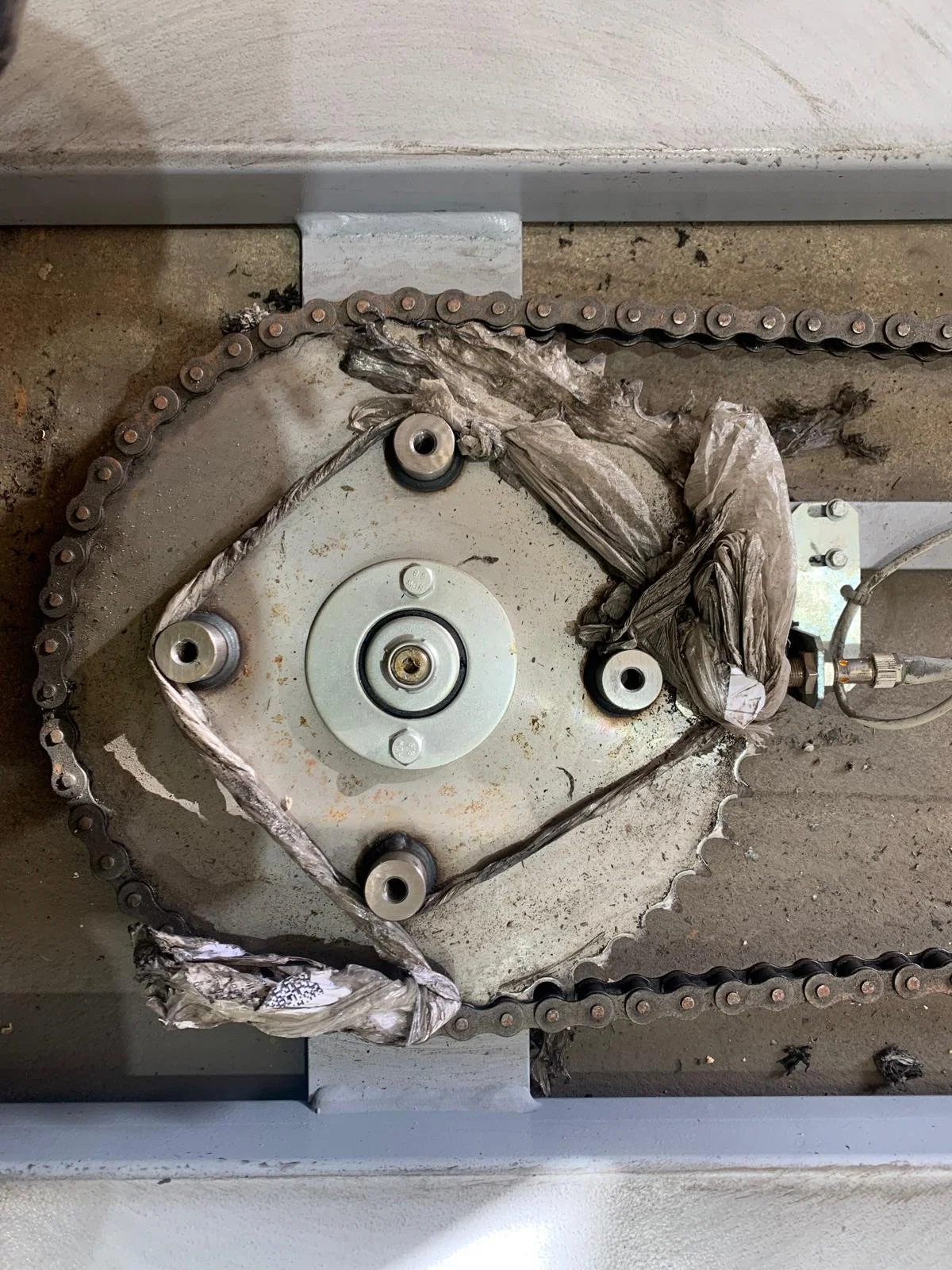
Film Break Alarms
Repeated film break alarms can relate to film path, tension, carriage rollers, film sensor behaviour or genuine film failure.
View film snapping →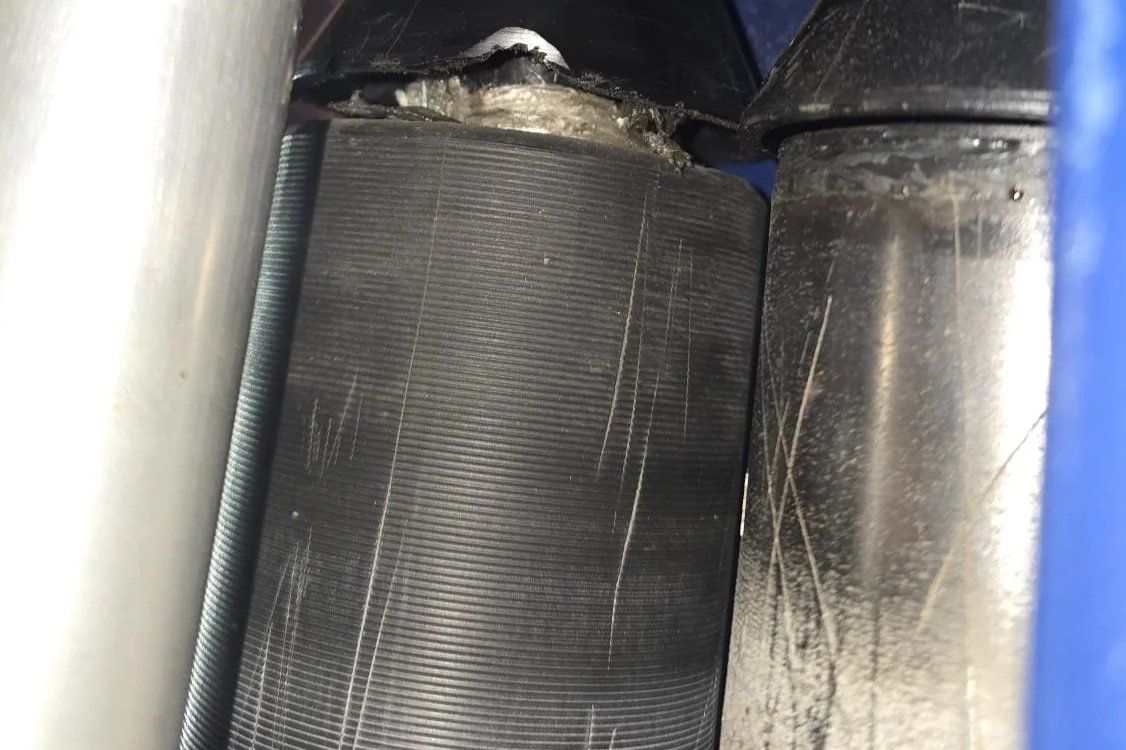
Carriage & Pre-Stretch Faults
Carriage motor and pre-stretch alarms can affect vertical movement, film application, containment and film use.
View carriage faults →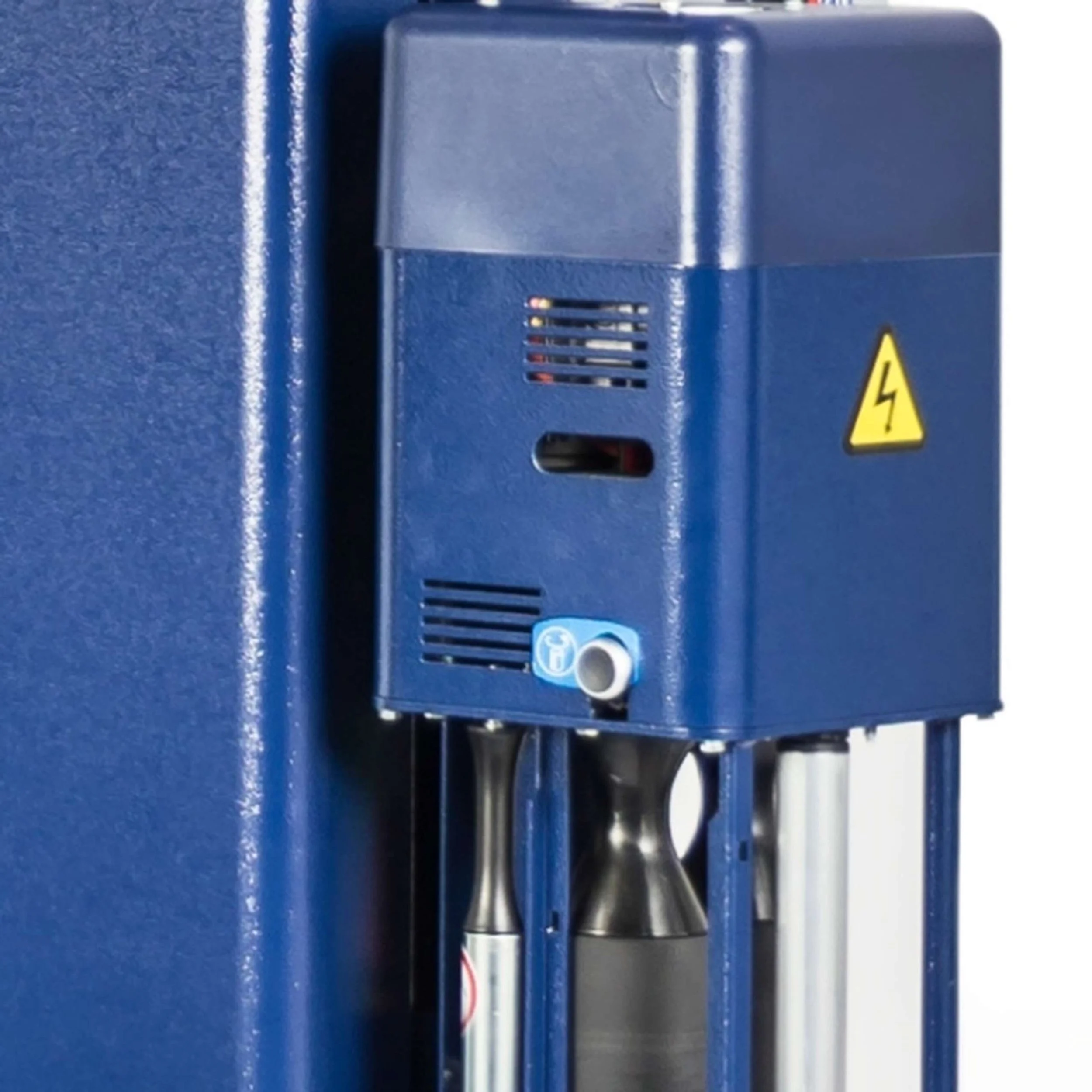
Sensor Faults
Photoeyes, proximity sensors, film sensors, edge detection and safety inputs can all stop the machine sequence.
View sensor faults →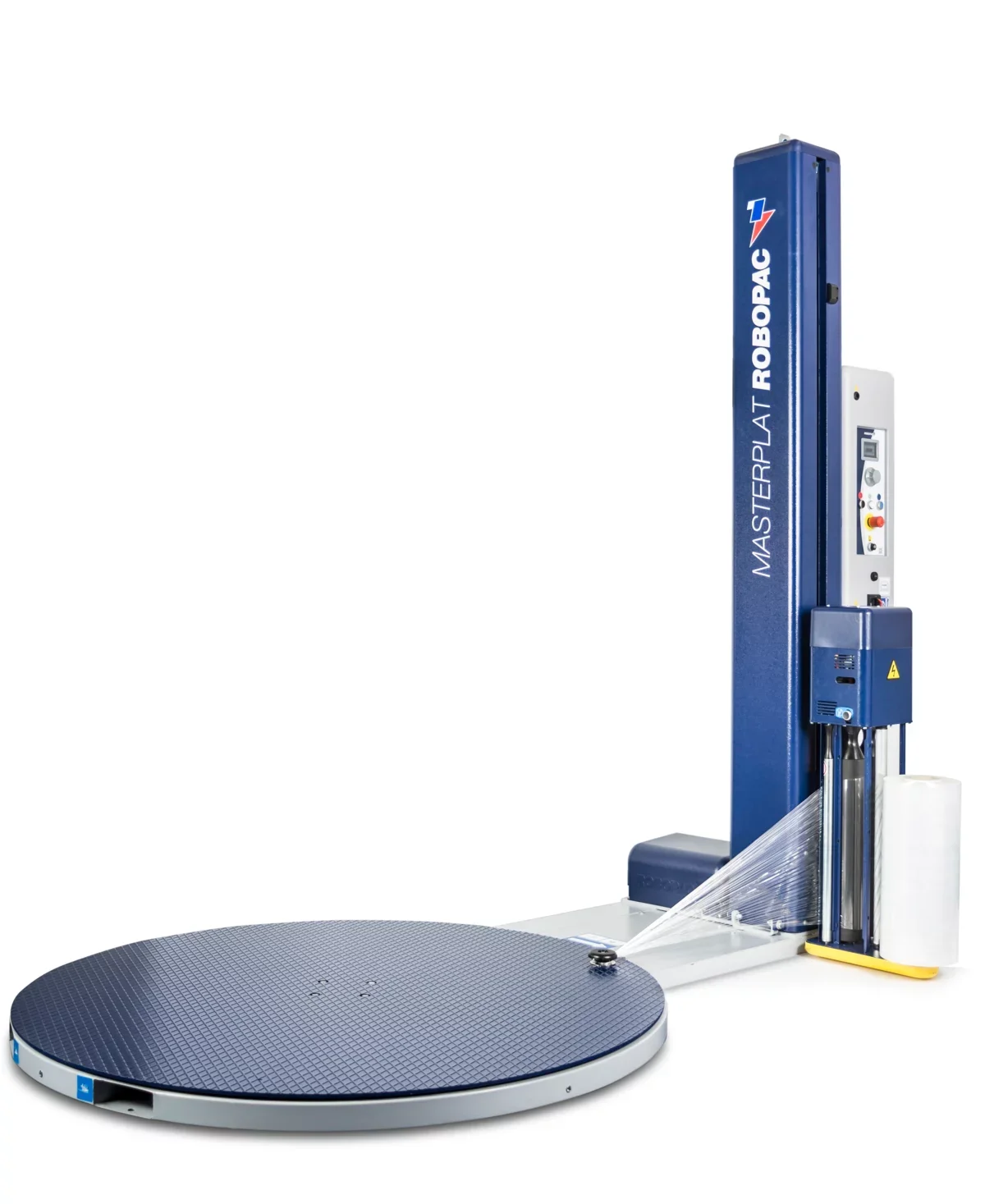
Movement Faults
Blocked table, drive motor, inverter, wheel, arm or robot movement alarms need controlled mechanical and electrical checks.
View rotation faults →Why Resetting Robopac Alarms Can Hide The Real Problem
Some alarms clear once and never return. Others keep coming back because the machine condition has not changed.
The Hidden Cost
Repeated reset behaviour usually turns into operator workarounds: lower tension, slower cycle speeds, manual intervention, thicker film or switching to hand wrapping during busy periods.
- ✓ Drive faults may point to mechanical drag or motor strain.
- ✓ Film alarms may point to tension or sensor issues.
- ✓ Carriage alarms may point to worn rollers, mast issues or overcurrent.
- ✓ Communication faults may require proper electrical diagnosis.
The Useful Question
Not simply: “what does the code mean?”
The correct question is: why is this Robopac machine reaching that alarm condition during real operation?
Our Robopac Fault Diagnosis Process
We use the alarm as a guide, then check the machine condition, movement behaviour, film application and operating sequence behind it.
Identify The Alarm
We confirm the active code, when it appears, whether it resets and what the machine is doing before it stops.
Check Safety Conditions
Emergency stops, bumpers, guards, reset conditions and safe movement inputs are reviewed where relevant.
Inspect Movement Systems
Drive, table, robot movement, carriage travel, mast condition and mechanical resistance are assessed.
Review Film Application
Film path, pre-stretch, tension, roller condition and film break behaviour are checked if alarms relate to wrapping performance.
Related Robopac & Wrapper Support
Robopac fault codes connect directly into servicing, repair, diagnostics, sensor faults, carriage faults and wider pallet wrapping performance.
Robopac Servicing
Specialist Robopac wrapper servicing, inspection, fault diagnosis and optimisation support.
View Robopac support →Pallet Wrapper Repair
Repair support for pallet wrappers with mechanical, electrical, sensor or wrapping faults.
View repair →Emergency Wrapper Repair
Support for urgent machine stoppages, alarms, breakdowns and dispatch-critical faults.
View emergency repair →Pallet Wrapper Diagnostics
System-level fault finding across motors, sensors, rollers, carriage systems and control conditions.
View diagnostics →Pallet Wrapper Sensor Fault
Photoeye, photocell, proximity sensor, limit switch, film break and safety sensor faults.
View sensor faults →Pallet Wrapper Carriage Fault
Carriage, pre-stretch, roller, lift, tension and film path fault guidance.
View carriage faults →Film Snapping
Repeated film break and tension fault guidance for stretch wrappers and pallet wrappers.
View film snapping →Technical Centre
Central hub for wrapper diagnostics, load stability, optimisation and engineering support.
View technical centre →FAQ
What does a Robopac fault code or error code mean?
Can I keep resetting a Robopac alarm?
What does a Robopac film break alarm mean?
Do Robopac carriage alarms mean the motor has failed?
Can Excelerate help with Robopac fault codes?
Are Robopac fault codes and Robopac error codes the same thing?
Robopac Fault Code or Error Code Active? Get The Machine Diagnosed Properly.
If your Robopac wrapper is stopping, alarming, breaking film, failing to move, showing carriage faults or refusing to reset, Excelerate can inspect the machine and identify the fault route.