

Solid vs Perforated Pallet Wrap
Solid pallet wrap and perforated pallet wrap solve different problems. Solid film is built for containment and protection. Perforated film is built for containment with airflow, cooling performance and moisture escape.
The wrong choice can create hidden cost: wet labels, soft cartons, slow pull-down, trapped heat, mould risk, excess plastic, rejected pallets or unstable loads.
The Decision Is Not “Which Film Is Stronger?” It Is “What Does The Load Need?”
The common mistake is treating pallet wrap as one product category. In reality, pallet wrap is a mechanical and environmental control tool. The film has to secure the load, behave correctly under stretch and support the condition of the product inside the pallet.
Solid stretch film is usually right when the priority is weather protection, dust protection, tamper resistance or maximum enclosed containment. Perforated stretch film is usually right when the product needs airflow, heat release, moisture escape, gas ventilation or faster cooling after palletisation.
Containment
Both films must hold the pallet together. The difference is whether the load also needs airflow through the wrapped pallet.
Cooling
Solid film can slow temperature pull-down. Perforated film allows cold air to move through the pallet more freely.
Condensation
When warm or chilled products are sealed under solid film, moisture can collect on packaging, labels and cartons.
Machine Setup
Perforated film still needs correct tension, stretch and wrapping pattern. It is not a magic fix for poor wrapper setup.
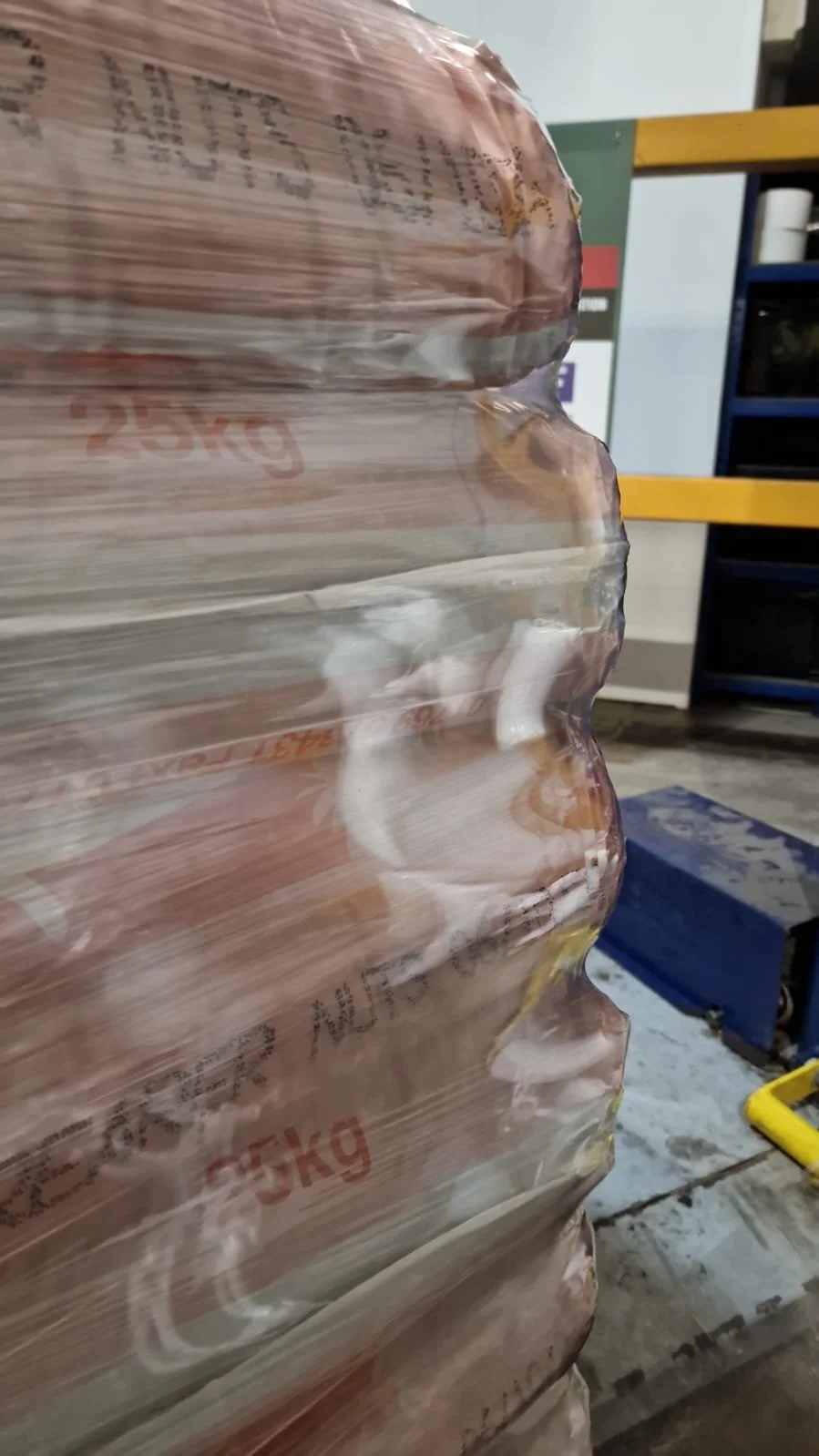
When Solid Pallet Wrap Is The Right Answer
Solid pallet wrap is still the correct film for many loads. It gives enclosed containment, product coverage and external protection where airflow is not required.
It is often suitable for dry goods, ambient products, non-ventilated loads, general warehouse storage and pallets where dust, dirt, moisture ingress or handling protection are the main concerns.
- ✓ Ambient and dry goods
- ✓ Dust and handling protection
- ✓ Enclosed load containment
- ✓ General warehouse pallet wrapping

When Perforated Pallet Wrap Is The Right Answer
Perforated pallet wrap is the correct choice when the pallet must remain stable but also needs to breathe. The perforations create airflow pathways through the wrapped load.
It is used where trapped heat, condensation, mould risk, gas build-up, product cooling or packaging moisture damage are more important than fully enclosing the pallet.
- ✓ Fresh, chilled and frozen products
- ✓ Hot-fill or warm palletised goods
- ✓ Condensation-sensitive packaging
- ✓ Horticulture and breathable loads
Solid vs Perforated Pallet Wrap: Practical Comparison
Neither film is automatically better. The correct answer depends on product condition, pallet build, cooling requirement, wrapping equipment and transport environment.
| Operational Factor | Solid Pallet Wrap | Perforated Pallet Wrap |
|---|---|---|
| Primary purpose | Enclosed containment and external protection. | Containment with airflow, ventilation and moisture escape. |
| Airflow | Restricts airflow through the pallet. | Allows air movement through the wrapped load. |
| Condensation risk | Higher risk where product is warm, chilled, wet or moisture-sensitive. This can ruin integrity of loads and collapse pallets | Helps reduce moisture build-up by allowing vapour and trapped heat to escape. This retains product integrity and pallets remain stable |
| Cooling performance | Can delay pull-down if the pallet is wrapped before it has cooled properly. | Supports faster cooling after palletisation by allowing airflow through the load. |
| Load stability | Strong when film, tension and wrap pattern are correct. | Can be even stronger, when structure, machine setup and application pattern are correct. |
| Best examples | Dry goods, ambient storage, sealed loads, dust protection and general despatch. | Fresh produce, chilled food, hot-fill products, horticulture, dairy, beverages and moisture-sensitive cartons. |
| Wrong-use warning | Can trap heat and moisture if used too early on warm or chilled products. | May not be right where the load needs full external coverage or weather protection. |
Why Condensation Happens On Wrapped Pallets
Condensation is not usually a “film problem”. It is normally a temperature, airflow and moisture problem made worse by the wrong wrapping approach.
When warm products are wrapped tightly under solid stretch film, heat and vapour become trapped inside the pallet. As temperatures change during cooling, storage or transport, moisture condenses onto cartons, labels, trays, cans and outer packaging.
This is one of the main reasons perforated pallet wrap exists. It allows pallets to stabilise while still letting heat and moisture escape.

Wet Packaging & Labels
Trapped moisture can soften cartons, damage labels, affect barcode scanning and create rejected pallets before the goods even reach retail or distribution.
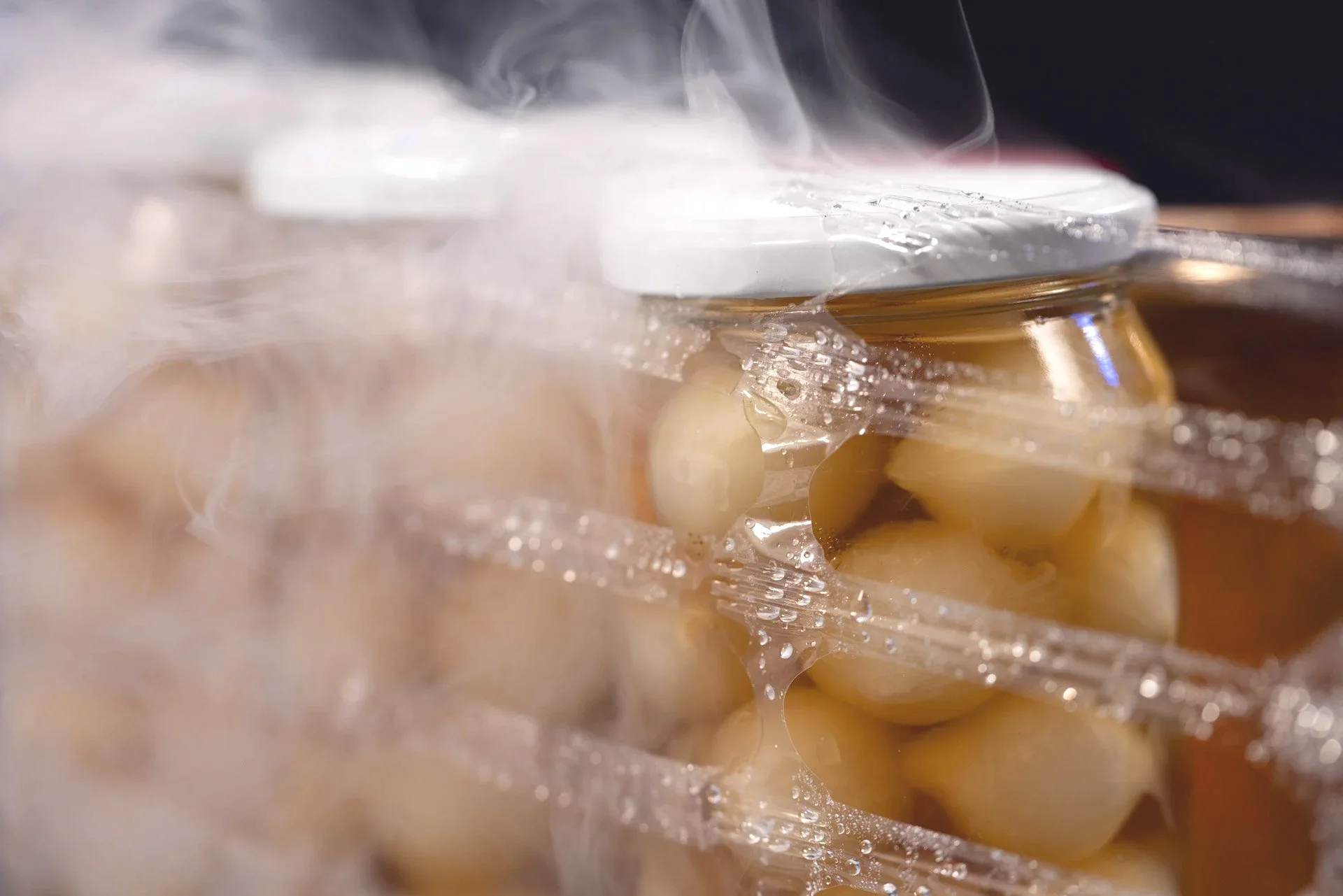
Cooling Delays
Solid wrap can slow airflow through the pallet during blast chilling or cold storage. Perforated film helps improve temperature pull-down after palletisation.
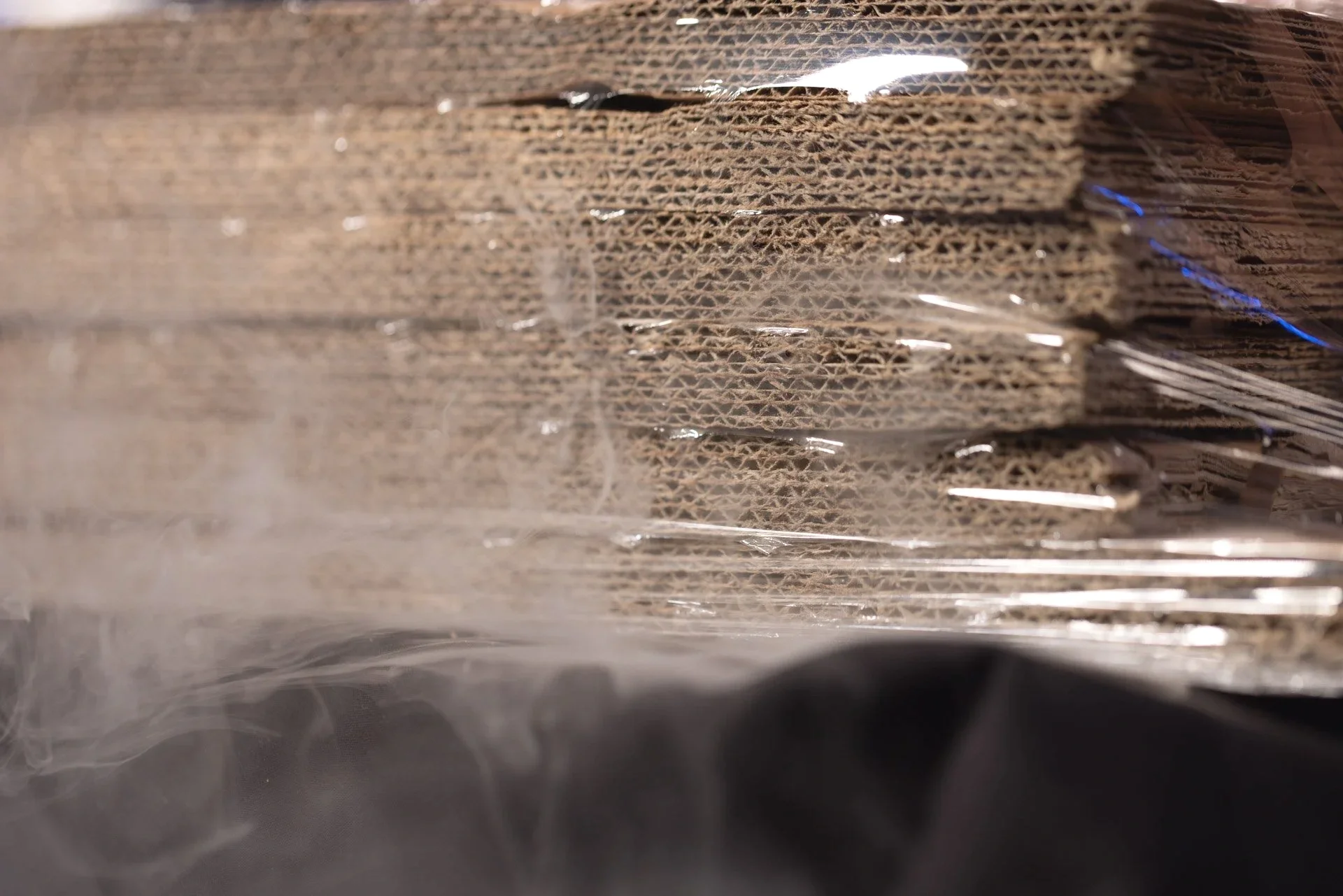
Operational Bottlenecks
Some operations delay despatch because pallets cannot cool properly once wrapped. Better airflow can improve production flow and reduce waiting time.
Industries Where Perforated Pallet Wrap Often Makes Sense
Perforated stretch film is most valuable where the pallet itself is part of a temperature-controlled or moisture-sensitive process.

Fresh Produce
Fruits and vegetables continue releasing moisture and gases after packing. Perforated wrap helps loads breathe while maintaining pallet stability.

Ready Meals & Chilled Food
Warm product entering chilled storage can create severe condensation under solid wrap. Ventilated film helps reduce trapped vapour and cooling delays.

Horticulture
Plants and flowers need airflow and often continue being watered while wrapped. Solid wrap can trap heat and moisture around live products.

Dairy & Cheese
Some dairy products benefit from airflow and stable chilled conditions to help reduce excess moisture build-up around packaging.

Hot-Fill Products
Cans, sauces and bottled goods are sometimes wrapped before they have fully cooled. Ventilated film helps trapped heat escape from the pallet.
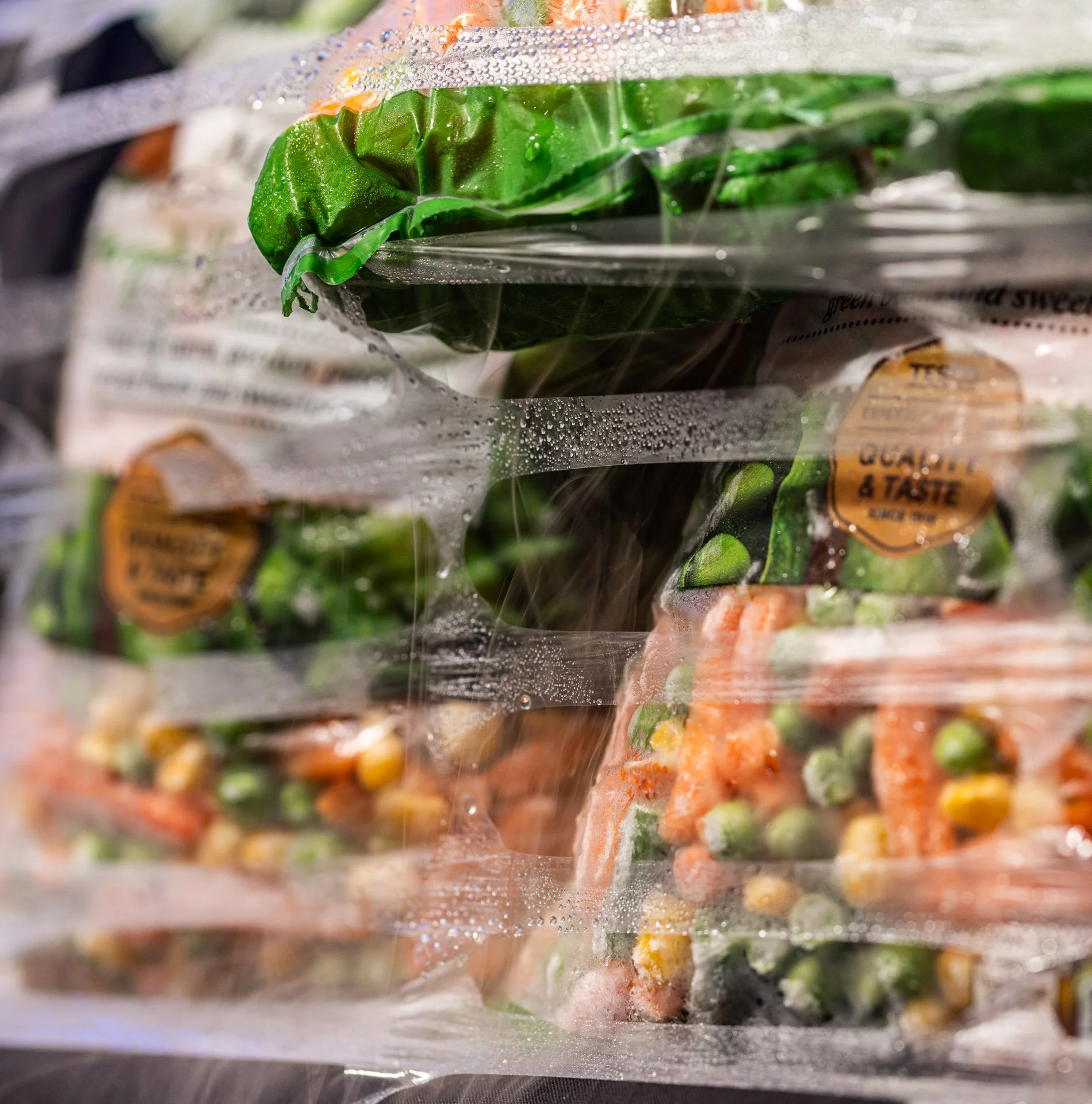
Frozen Foods
Perforated film can improve airflow around frozen pallets and support more efficient blast chilling and freezer operation.
Perforated Film Still Needs Correct Machine Setup
One of the biggest misconceptions is that perforated pallet wrap automatically fixes pallet instability. It does not.
Wrapper setup still matters:
- ✓ Brake tension
- ✓ Power pre-stretch settings
- ✓ Secondary tension control
- ✓ Top and bottom wrap reinforcement
- ✓ Containment force
- ✓ Film carriage condition
Poorly configured wrappers can tear perforated film, overstretch it or create unstable pallets regardless of the film quality itself.
When Perforated Film Is NOT The Right Choice
Perforated wrap is not automatically better than solid wrap. Some loads genuinely need enclosed protection.
Solid stretch film may still be the better choice where:
- ✓ Loads need weather protection
- ✓ Dust contamination is a concern
- ✓ Full external coverage is required
- ✓ The product does not benefit from airflow
- ✓ The pallet is already fully temperature stabilised
The correct answer depends on the product, process, warehouse environment, cooling profile and transport conditions.
Related Technical Guidance

Condensation & Cooling Performance
Learn how pallet wrapping affects temperature pull-down, trapped heat and moisture control.
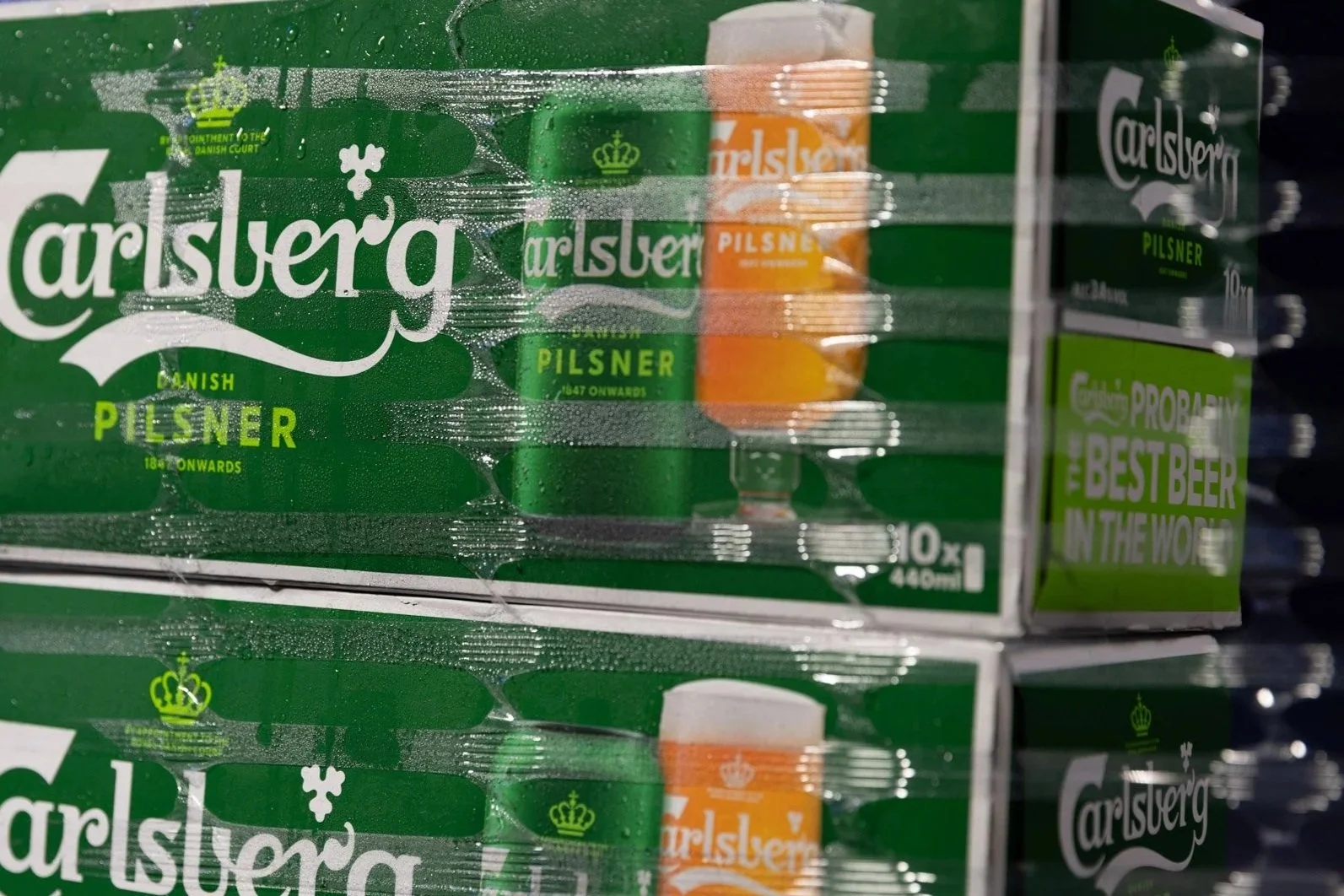
Load Stability & Containment
Explore containment force, film behaviour, wrapper setup and pallet stability principles.

ExcelAir Perforated Wrap
Explore ExcelAir ventilated and breathable pallet wrap solutions in more detail.
FAQ - Solid vs Perforated Pallet Wrap
Common questions about airflow pallet wrap, condensation control and film selection.
Is perforated pallet wrap weaker than solid wrap?
Does perforated wrap help with condensation?
Can perforated pallet wrap be used on pallet wrapping machines?
When should solid pallet wrap still be used?
Can perforated wrap improve cooling performance?
Need Help Choosing The Right Pallet Wrap?
The correct film depends on the product, pallet profile, warehouse environment, cooling process and transport conditions.
We help manufacturers and logistics operations benchmark their current pallet wrapping process, identify operational problems and test the right film solution properly.