

Automatic Wrapper Not Cutting Film
If a fully automatic pallet wrapper is not cutting, clamping or heat sealing film correctly, the fault usually sits around the clamp assembly, sealing unit, cut sequence, pneumatic pressure, temperature control, timing window or end-of-cycle logic.
Need active support? View our pallet wrapper repair, emergency breakdown and machinery servicing pages.
- ✓ Automatic wrapper seal faults
- ✓ Clamp and cut sequence issues
- ✓ Temperature, timing and pressure checks
- ✓ Inline pallet wrapping support
On Automatic Lines, The Cut And Seal System Is Critical
Fully automatic pallet wrappers rely on the machine to manage the film tail without operator intervention. If the clamp, cutter or heat seal sequence fails, the whole line can lose consistency quickly.
What Sites Usually See
These faults often appear at the end of cycle. The pallet may be wrapped, but the film tail is loose, badly sealed, burnt, not cut, not retained, or left hanging from the load.
- ✕ Film is wrapped but not cut cleanly.
- ✕ Heat seal is weak, burnt or inconsistent.
- ✕ Clamp fails to grip or release the film tail.
- ✕ Cutter fires at the wrong point in the cycle.
- ✕ Operators intervene manually on an automatic line.
The Commercial Reality
An automatic wrapper loses its value when operators have to step in after every pallet. The cost is not only a failed seal. It is line disruption, extra labour, poor presentation and dispatch inconsistency.
Automatic wrapping needs the sequence, pressure, temperature and timing to work together.
Common Causes When An Automatic Wrapper Will Not Cut Or Seal Film
Cut and seal faults should not be guessed at. A poor film tail can be caused by heat, dwell time, pressure, clamp grip, blade condition, actuator movement, sensor timing or sequence logic.
| Observed Symptom | Likely Fault Area | Why Engineer Diagnosis Matters |
|---|---|---|
| Film does not cut cleanly | Blade, cutting wire, cut actuator, pressure, contamination or sequence timing | The cutter may be moving, but not with enough force, heat, contact or timing to complete the cut. |
| Film cuts but does not seal | Heat seal temperature, dwell time, pressure, sealing pad or film tail position | The seal system needs the right combination of heat, time and pressure. |
| Seal is burnt or distorted | Excessive heat, excessive dwell, contamination, wrong film behaviour or poor release | Turning the temperature up further can make the fault worse. |
| Clamp does not grip the film | Clamp pads, pneumatic pressure, actuator, air leak, mechanical wear or timing | If the clamp cannot control the film tail, the cut and seal sequence will fail. |
| Fault is intermittent | Sensor misread, air pressure fluctuation, timing drift, loose cable or worn actuator | Intermittent faults often appear only at production speed. |
| Film tail hangs from pallet | Weak seal, poor wipe-down, wrong tail position, clamp release timing or failed pressing unit | The final presentation fault may be caused earlier in the sequence. |
If operators are manually cutting or pressing film tails on an automatic line, the machine is no longer operating as an automatic wrapper.
Book An Automatic Wrapper EngineerFault Areas We Investigate
Fully automatic wrapping systems require controlled sequencing. The cut, clamp and sealing function has to be checked as a system, not as a single component.
- ✕ Heat seal temperature stability
- ✕ Dwell time and seal timing
- ✕ Pneumatic pressure and air supply stability
- ✕ Clamp pad wear, contamination or hardness
- ✕ Cutting blade, wire or pressing unit condition
- ✕ Actuator travel, speed and repeatability
- ✕ Film detect sensor or end-of-cycle sensor faults
- ✕ Film tail position and clamp handover
- ✕ Control sequence and recipe settings
- ✕ Contamination, film residue and non-stick surface condition
The machine may need a setting change, component repair, pressure correction, sensor adjustment or timing correction. Guessing costs line time.
View Pallet Wrapper RepairWhat We Check During A Cut, Clamp Or Heat Seal Fault Visit
We assess the automatic end-of-cycle sequence under real operating conditions. The aim is to identify whether the issue is mechanical, pneumatic, thermal, electrical or control-related.
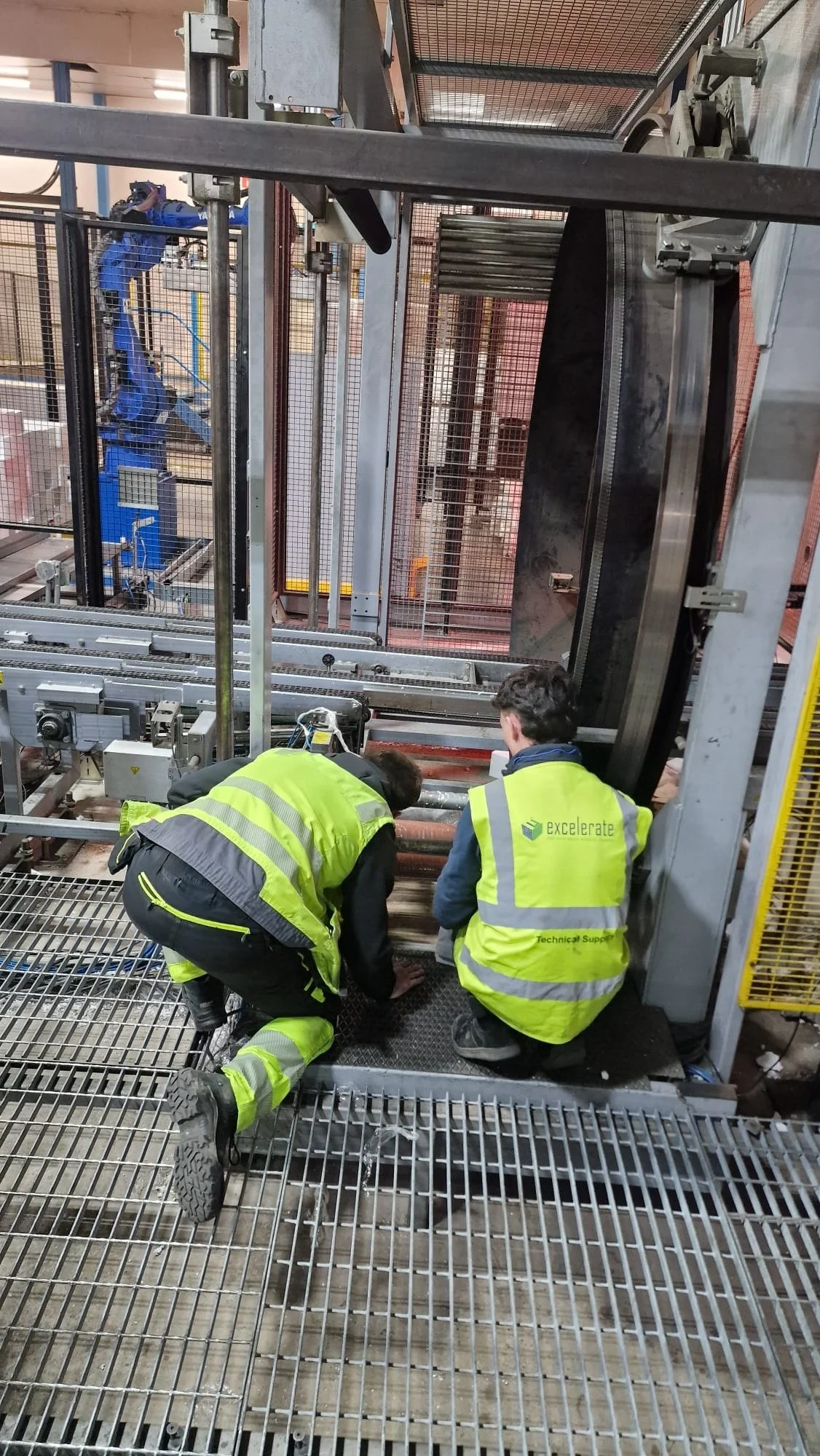
Clamp Assembly
Clamp movement, grip condition, pad wear, contamination and film tail control are checked during the end-of-cycle sequence.
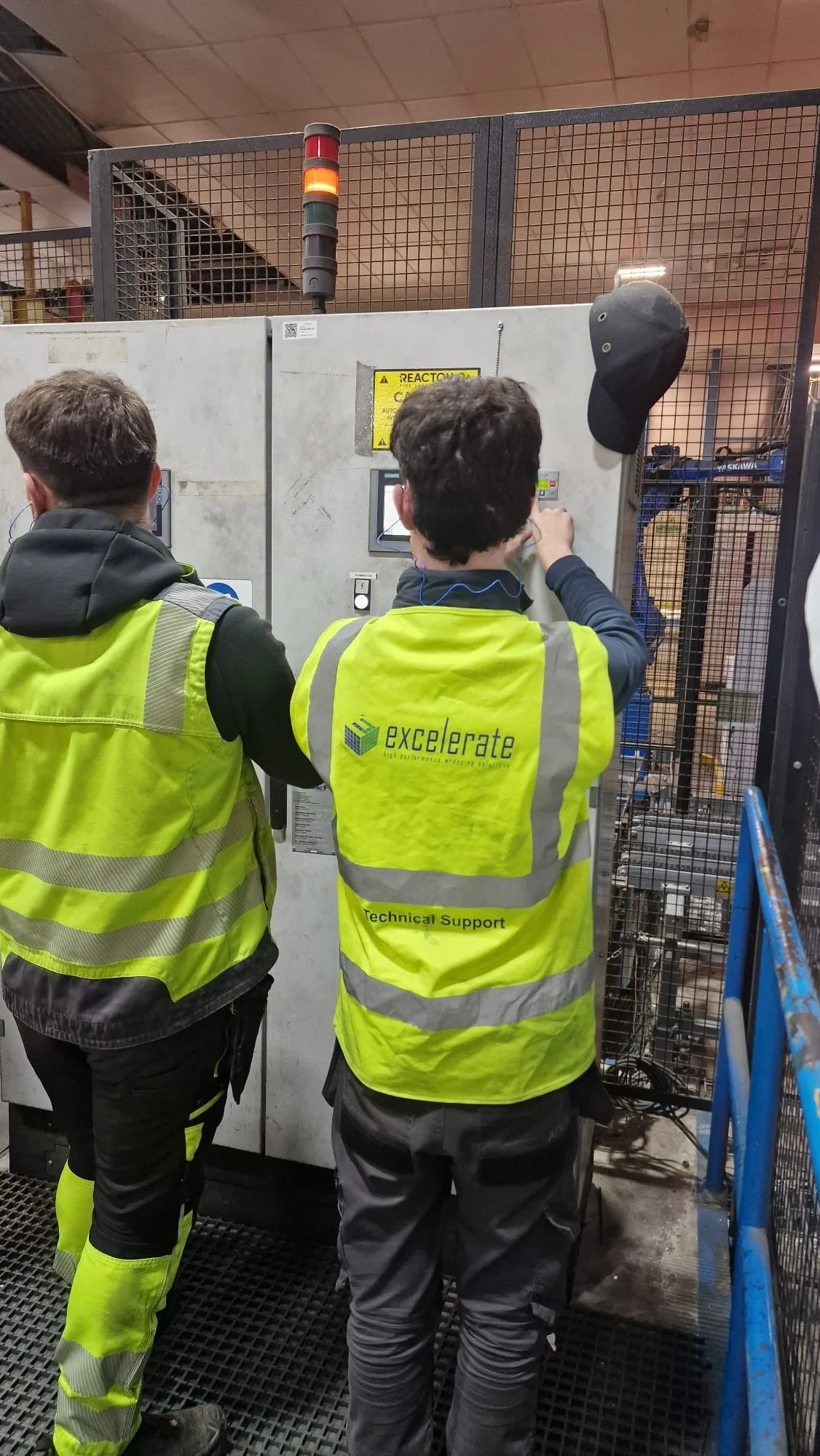
Control Timing
We check when the clamp, cut and seal functions are being triggered, and whether timing has drifted from the correct operating window.
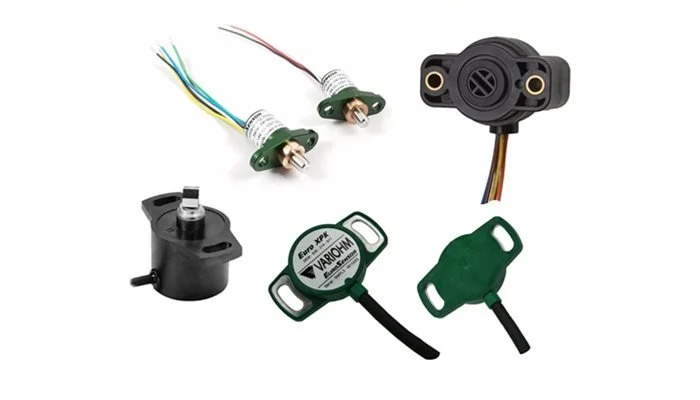
Sensor Inputs
Film detect, end-of-cycle, clamp position and relevant machine inputs are reviewed where the sequence fires incorrectly.
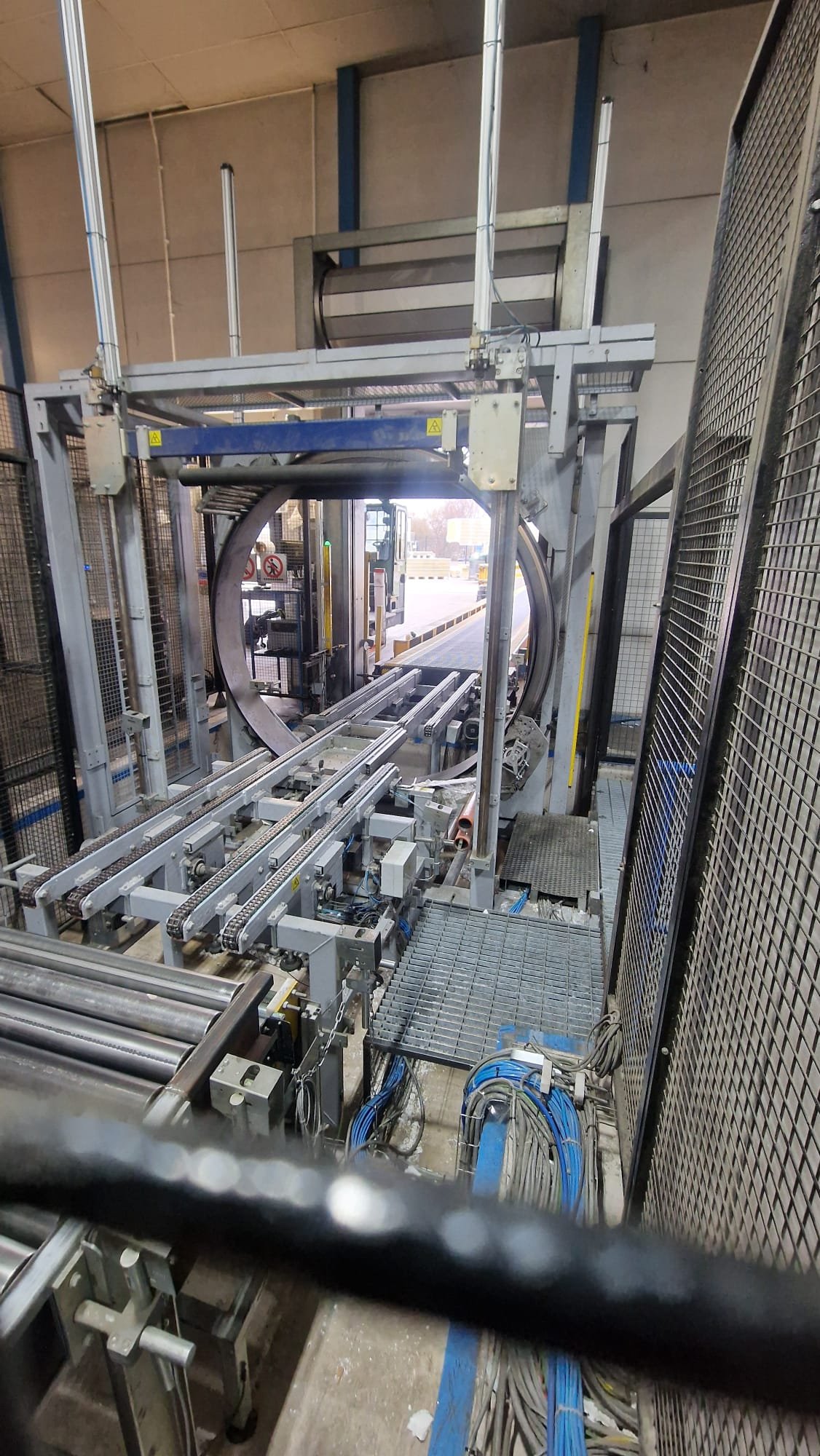
Actuation & Pressure
Actuator movement, pneumatic pressure, mechanical travel and repeatability are checked where clamp or seal action is weak.
Why Heat, Timing And Pressure Cannot Be Treated Separately
A heat seal fault is rarely only a temperature problem. Heat, dwell time and pressure work together. Changing one can expose or create another fault.
The Automatic Line Problem
On a manual or semi-automatic operation, an operator can sometimes hide a poor film tail. On a fully automatic wrapper, the machine must complete the cut, clamp and seal sequence consistently without manual correction.
- ✓ Too little heat can create weak or incomplete seals.
- ✓ Too much heat can burn or distort the film.
- ✓ Poor pressure can stop the seal forming even at the right temperature.
- ✓ Poor timing can make good components behave badly.
The Useful Question
Not simply: “is the cutter working?”
The correct question is: is the machine clamping, cutting, sealing and releasing the film in the right order, at the right pressure, for the right amount of time?
Our Diagnosis Process
We keep the process controlled. No random temperature changes, no blind actuator replacement, no treating an automatic line like a basic turntable wrapper.
Define The Failure Point
We identify whether the fault is cut failure, clamp failure, weak seal, burnt seal, loose film tail or intermittent end-of-cycle failure.
Observe The Sequence
The clamp, cut, press, seal and release sequence is assessed during the real wrap cycle, not only in manual jog mode.
Check Heat & Contact
Seal temperature behaviour, contact surfaces, contamination and pressing action are reviewed where seal quality has changed.
Review Pressure & Movement
Pneumatic supply, actuator travel, clamp force and mechanical movement are checked where the system lacks grip or repeatability.
Trace Sensor Inputs
Film detection, clamp position, end-of-cycle and sequence inputs are considered where the fault occurs at the wrong time.
Recommend The Correct Fix
You get a practical engineer-led recommendation based on the automatic system, not generic wrapper advice.
FAQ
Why is my automatic wrapper not cutting film?
Why is the film cutting but not sealing?
Can low air pressure affect the clamp and seal?
Why is the wrapper burning the film tail?
Do Excelerate repair automatic wrapper cut and seal faults?
Automatic Wrapper Not Cutting Or Sealing Correctly?
If the cut, clamp or heat seal sequence is failing on a fully automatic pallet wrapper, the site needs proper machine diagnosis. Excelerate can inspect the system, identify the likely fault area and recommend the correct repair route.