

Pallet Wrapper Not Detecting Pallet
If a pallet wrapper will not detect the pallet, refuses to start, misses the load height or stops unexpectedly, the fault usually sits around the photoeye, photocell, sensor alignment, wiring, pallet position or machine sequence logic.
Need active support? View our pallet wrapper repair, emergency breakdown and machinery servicing pages.
- ✓ Pallet not detected
- ✓ Photoeye and photocell faults
- ✓ Height detection problems
- ✓ UK pallet wrapper engineer support
Pallet Detection Faults Stop The Machine Before The Wrap Even Starts
A pallet wrapper relies on sensors to confirm that the load is present, positioned correctly and safe to wrap. If the machine cannot see the pallet, it may refuse to start, stop at the wrong point or complete an incorrect cycle.
What Sites Usually See
The fault often looks simple from the operator side. Press start and the machine does nothing, gives a pallet detection fault, misses the load height or keeps searching for a pallet that is physically there.
- ✕ Wrapper powers up but will not begin the cycle.
- ✕ Machine says no pallet is present.
- ✕ Carriage travels too high or stops too early.
- ✕ Wrapper starts only after operators move the pallet around.
- ✕ Fault returns after cleaning or resetting the machine.
The Commercial Reality
Detection faults create dispatch drag. Operators start repositioning pallets, bypassing routines, retrying cycles and wasting time around a machine that should be automatic.
The longer it is ignored, the more the site accepts poor wrapping flow as normal.
Common Causes When A Wrapper Cannot Detect The Pallet
Detection faults need to be separated properly. A dirty sensor is not the same fault as a damaged cable, poor sensor angle, black load surface, turntable position fault or machine sequence problem.
| Observed Symptom | Likely Fault Area | Why Engineer Diagnosis Matters |
|---|---|---|
| Machine says no pallet is present | Photoeye, photocell, dirty lens, poor alignment or damaged sensor | The wrapper may be blocking the cycle because the pallet detection input is missing. |
| Machine only detects some pallets | Load colour, reflective surfaces, pallet position, sensor sensitivity or angle | Intermittent faults often relate to visibility, surface type or inconsistent pallet presentation. |
| Carriage rises too high | Height photoeye, top limit switch, sensor alignment or carriage sequence | The machine may not be reading the top of the load correctly. |
| Machine starts then stops early | Sensor dropout, vibration, damaged cable or control input fault | The signal may be present at start but unstable during rotation or carriage movement. |
| Machine detects empty table incorrectly | Background reflection, sensor misread, wrong target or incorrect setup | The sensor may be reading the machine, floor, mast or wrap residue rather than the pallet. |
| Fault appears after cleaning or maintenance | Sensor moved, cable disturbed, bracket knocked or programme setting changed | Small alignment changes can affect detection reliability. |
If pallet detection has become unreliable, the machine needs proper diagnosis before operators build workarounds into dispatch.
Book A Pallet Wrapper EngineerFault Areas We Investigate
We give enough clarity to understand the fault pattern, but the machine still needs controlled testing. A detection fault can be optical, mechanical, electrical or sequence-related.
- ✕ Dirty, damaged or clouded photoeye lenses
- ✕ Misaligned pallet detection photocells
- ✕ Height detection sensor faults
- ✕ Top limit switch or carriage stop issues
- ✕ Damaged sensor brackets or loose mounts
- ✕ Cable damage, loose terminals or intermittent inputs
- ✕ Dark, reflective or inconsistent load surfaces
- ✕ Poor pallet position on the turntable
- ✕ Turntable proximity or home position issues
- ✕ Machine programme or sequence faults
Cleaning a sensor is useful. Guessing at sensor faults is not. If the fault keeps returning, something else is driving it.
View Pallet Wrapper RepairRobopac Sensor Alarms Often Sit Around Detection And Sequence Conditions
Robopac pallet wrappers may display alarms relating to pallet detection, carriage position, height sensing, photocells, encoder feedback or safety conditions before the machine fully stops operating.
The visible alarm is only part of the diagnosis. The machine still needs to be checked under real operating conditions to understand why the signal is being lost, misread or rejected.

What We Check During A Pallet Detection Fault Visit
The aim is not to publish a repair manual. The aim is to show the level of diagnosis required before anyone starts replacing sensors or changing settings.
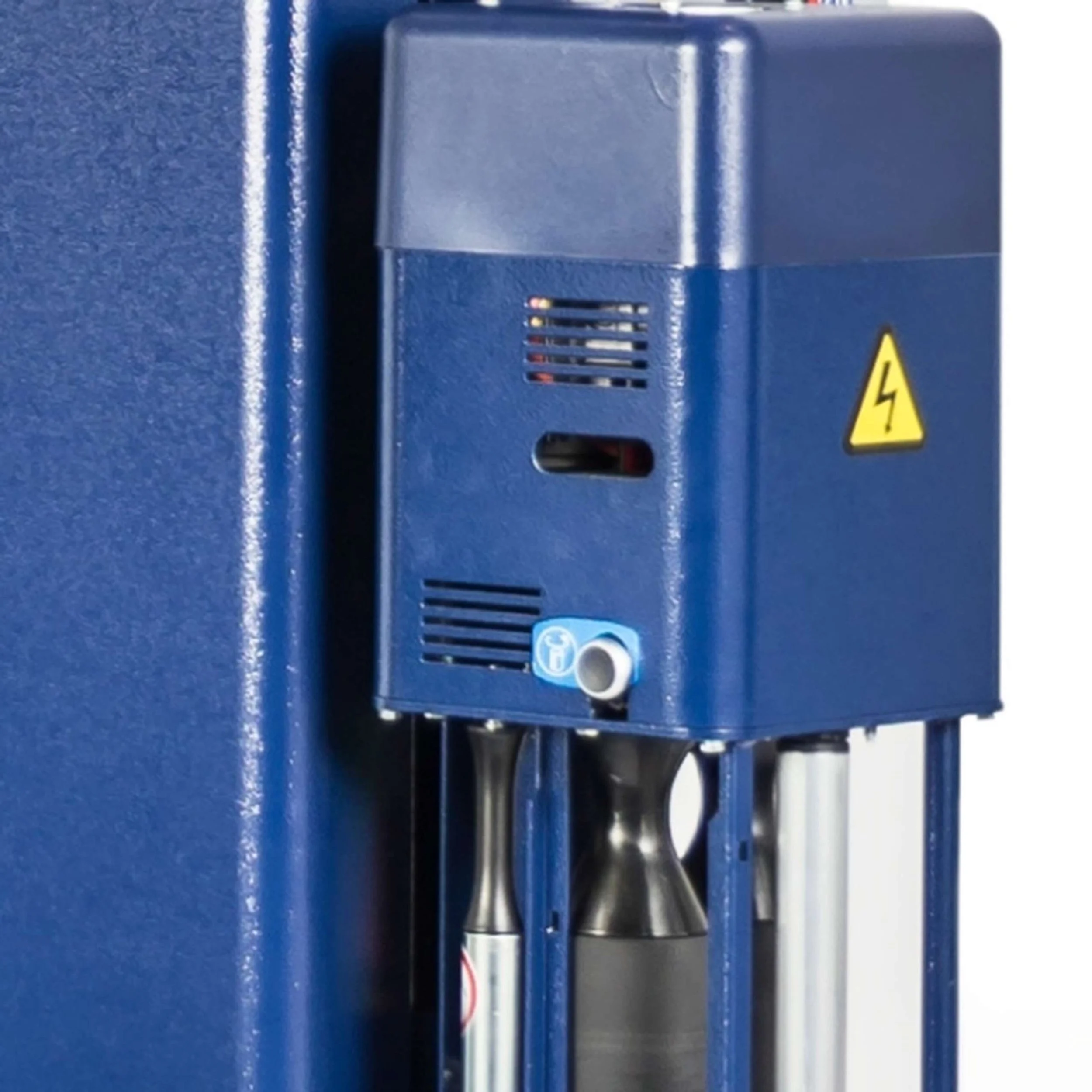
Sensor Condition
Photoeyes, photocells, lenses, brackets, mounts and sensor angles are checked for contamination, damage and movement.

Electrical Inputs
Wiring, terminals, control inputs and intermittent signals are checked where a sensor appears healthy but the machine still faults.
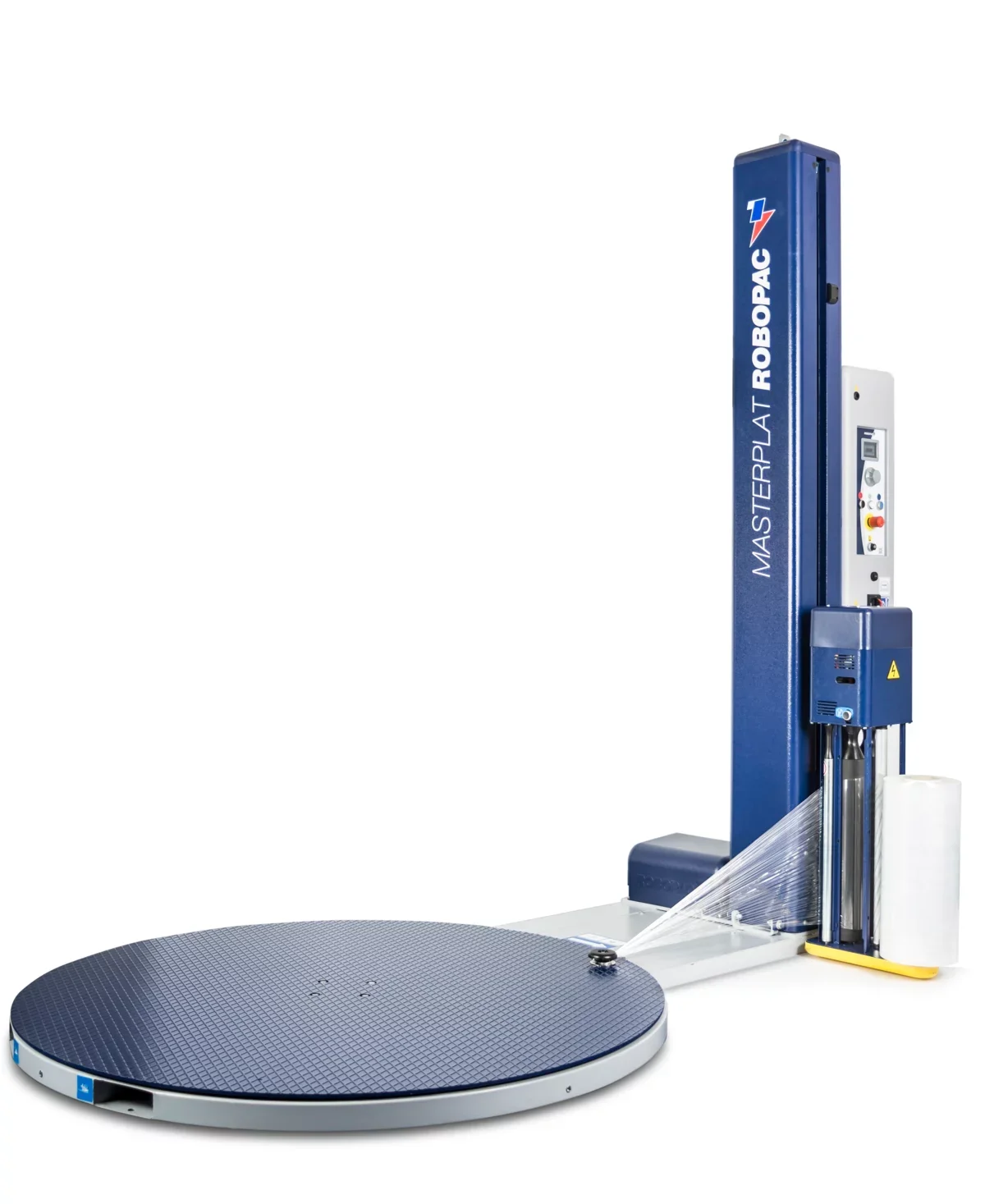
Pallet Position
We check whether the pallet is sitting in a position the machine can consistently detect during the actual wrapping sequence.
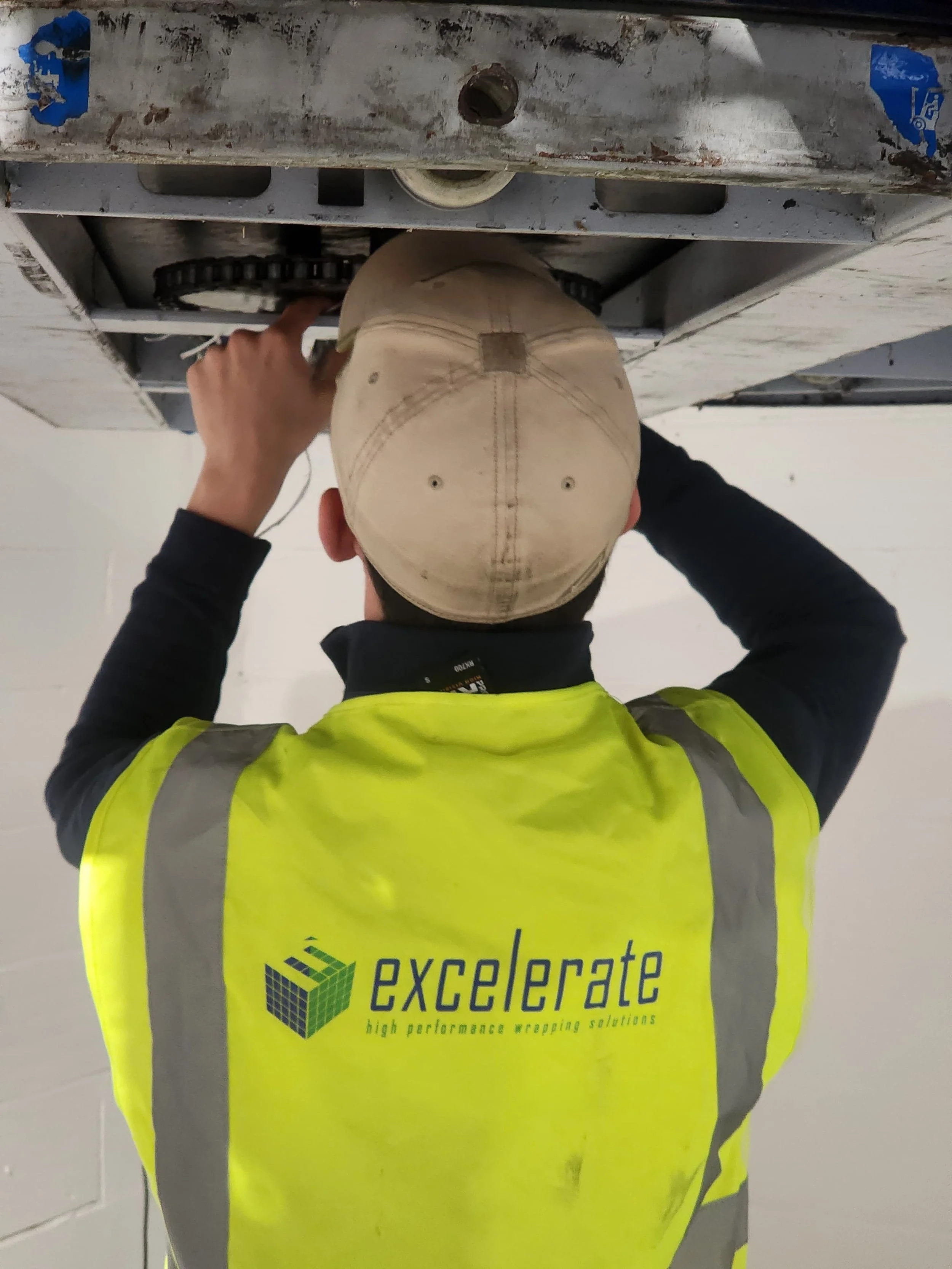
Sequence Logic
We review what the machine is waiting for: pallet present, home position, carriage position, safety condition or valid start sequence.
Why A Sensor Fault Is Not Always Just A Sensor Fault
Replacing the photocell can be the right fix. It can also be an expensive guess if the real problem is alignment, vibration, wiring, load presentation, turntable position or programme logic.
The Hidden Causes
Detection faults often appear intermittent because the machine is reading different conditions throughout the wrap cycle. The pallet may be visible at one point and lost at another.
- ✓ A sensor can be clean but badly aimed.
- ✓ A sensor can work empty but fail on dark or reflective loads.
- ✓ A cable can fail only during vibration or movement.
- ✓ A machine can misread height because carriage behaviour has changed.
The Useful Question
Not simply: “is the sensor broken?”
The correct question is: is the machine receiving the right detection signal at the right point in the wrapping sequence?
Our Diagnosis Process
We keep the process controlled. No blind sensor swapping, no endless resets, no pretending the fault is solved because one pallet wrapped successfully.
Define The Detection Fault
We identify whether the wrapper fails to detect pallet presence, load height, home position or cycle sequence.
Check Sensor Condition
Photoeye lenses, brackets, wiring and visible alignment are checked before deeper machine testing.
Test Under Real Loads
The machine must be tested with the pallet types, colours, heights and operating routine your site actually uses.
Trace Signal Behaviour
We consider whether the sensor signal is stable, intermittent, blocked, misread or missing during the cycle.
Review Sequence Conditions
We check whether another condition is preventing the machine from accepting the pallet detection signal.
Recommend The Correct Fix
You get a practical engineer-led recommendation based on the fault pattern, not a generic online checklist.
Related Fault Diagnosis Pages
Pallet detection faults often connect to rotation faults, carriage faults, sensor faults and wider wrapper diagnostics. These pages keep the technical structure connected.
Pallet Wrapper Not Rotating
For wrappers that power up but do not rotate, hesitate or fault when the cycle begins.
View rotation faultStretch Wrapper Keeps Snapping Film
For repeated film breaks, tension faults, carriage issues and load contact problems.
View film snappingPallet Wrapper Diagnostics
Fault-finding across mechanical, electrical, film and operational wrapper issues.
View diagnosticsMechanical Wear Identification
Recognising wear patterns before they become repeat breakdowns.
View wear guidancePallet Wrapper Repair
Repair support for pallet wrappers with mechanical, electrical or wrapping faults.
View repairEmergency Wrapper Repair
Support for urgent machine stoppages, breakdowns and dispatch-critical faults.
View emergency repairRobopac Servicing
Robopac wrapper service, inspection, support and fault diagnosis.
View Robopac supportMachinery Servicing
UK machinery service support for pallet wrappers and wider packaging equipment.
View servicingFAQ
Why is my pallet wrapper not detecting the pallet?
Can a dirty photoeye stop the machine starting?
Why does the wrapper detect some pallets but not others?
Can pallet detection faults cause bad wrapping?
Do Excelerate repair pallet detection faults?
Wrapper Not Detecting Pallets? Get The Fault Diagnosed Properly.
If your pallet wrapper will not detect pallets consistently, the site needs more than resets and operator workarounds. Excelerate can inspect the machine, identify the likely fault area and recommend the correct repair route.