

Pallet Wrapper Carriage Fault
If the film carriage will not move, rises unevenly, sticks on the mast, damages film or fails to stretch correctly, the issue usually sits inside the carriage lift system, pre-stretch unit, film path, drive components or tension control.
Need active support? View our pallet wrapper repair, emergency breakdown and Robopac servicing pages.
- ✓ Carriage not lifting
- ✓ Pre-stretch faults
- ✓ Roller, belt and chain issues
- ✓ UK pallet wrapper engineer support
The Carriage Controls More Than Film Movement
The carriage is one of the most important parts of a pallet wrapping machine. It controls film delivery, vertical travel, pre-stretch, tension behaviour and how consistently the load is wrapped from bottom to top.
What Sites Usually See
Carriage faults often appear as film problems first. Operators see broken film, loose wrapping, uneven overlap, poor containment or a carriage that stops moving, but the underlying issue can be mechanical, electrical or control-related.
- ✕ Film carriage will not rise or lower.
- ✕ Carriage sticks, judders or stalls on the mast.
- ✕ Film snaps, tracks sideways or necks down heavily.
- ✕ Wrapper applies too much or too little tension.
- ✕ Operators keep changing settings to compensate.
The Commercial Reality
A carriage fault quietly increases film use, downtime and unstable pallets. If the carriage is not gripping, stretching or moving correctly, the site pays for it on every wrapped load.
Thicker film may hide the issue. It does not fix the machine.
Common Causes Of Pallet Wrapper Carriage Faults
A carriage fault needs proper diagnosis. The same visible symptom can be caused by a lift motor fault, broken belt, limit switch, worn roller, incorrect film path or control issue.
| Observed Symptom | Likely Fault Area | Why Engineer Diagnosis Matters |
|---|---|---|
| Carriage will not go up | Lift motor, inverter, drive board, fuse, belt, chain or mast obstruction | The machine may have power but the lift system is not being driven correctly. |
| Carriage sticks or judders | Mast track, worn guides, mechanical drag, debris, alignment or chain tension | Intermittent movement can create inconsistent overlap and tension. |
| Film snaps through carriage | Worn rollers, damaged film path, dirty rollers, incorrect threading or excess force | The film may be damaged before it reaches the pallet. |
| Film is not stretching properly | Pre-stretch roller wear, roller pressure, gearing, motor control or friction issue | Rollers must grip the film properly to stretch it consistently. |
| Carriage overtravels or stops early | Upper/lower limit switch, height sensor, encoder, proximity sensor or sequence fault | The machine may not know where the carriage is during the cycle. |
| Tension changes during wrapping | Brake, clutch, load cell, dancer arm, motorised pre-stretch or control feedback | Unstable tension can cause poor containment, snapping and excess film use. |
If carriage behaviour has changed, do not treat it as a simple film issue. The machine should be inspected before bad wrapping becomes normal.
Book A Pallet Wrapper EngineerFault Areas We Investigate
A proper carriage inspection looks at film delivery, vertical movement, pre-stretch behaviour and the control system that tells the carriage where to go.
- ✕ Lift motor, drive board, inverter or wiring faults
- ✕ Broken, stretched or slipping lift belts and chains
- ✕ Mast track obstruction, guide wear or mechanical drag
- ✕ Upper and lower limit switch faults
- ✕ Worn, glazed, dirty or damaged pre-stretch rollers
- ✕ Incorrect film threading through carriage rollers
- ✕ Brake, friction, clutch or dancer arm control issues
- ✕ Load cell or electronic tension feedback problems
- ✕ Loose plugs, carriage connectors or intermittent wiring
- ✕ Film path damage, nicking, tracking or edge tearing
The wrong fix wastes time. A carriage fault can sit in the lift system, film path, pre-stretch unit or control logic.
View Pallet Wrapper RepairPallet Wrapper Carriage Fault
If the film carriage will not move, rises unevenly, sticks on the mast, damages film or fails to stretch correctly, the issue usually sits inside the carriage lift system, pre-stretch unit, film path, drive components or tension control.
Need active support? View our pallet wrapper repair, emergency breakdown and Robopac servicing pages.
- ✓ Carriage not lifting
- ✓ Pre-stretch faults
- ✓ Roller, belt and chain issues
- ✓ UK pallet wrapper engineer support
The Carriage Controls More Than Film Movement
The carriage is one of the most important parts of a pallet wrapping machine. It controls film delivery, vertical travel, pre-stretch, tension behaviour and how consistently the load is wrapped from bottom to top.
What Sites Usually See
Carriage faults often appear as film problems first. Operators see broken film, loose wrapping, uneven overlap, poor containment or a carriage that stops moving, but the underlying issue can be mechanical, electrical or control-related.
- ✕ Film carriage will not rise or lower.
- ✕ Carriage sticks, judders or stalls on the mast.
- ✕ Film snaps, tracks sideways or necks down heavily.
- ✕ Wrapper applies too much or too little tension.
- ✕ Operators keep changing settings to compensate.
The Commercial Reality
A carriage fault quietly increases film use, downtime and unstable pallets. If the carriage is not gripping, stretching or moving correctly, the site pays for it on every wrapped load.
Thicker film may hide the issue. It does not fix the machine.
Common Causes Of Pallet Wrapper Carriage Faults
A carriage fault needs proper diagnosis. The same visible symptom can be caused by a lift motor fault, broken belt, limit switch, worn roller, incorrect film path or control issue.
| Observed Symptom | Likely Fault Area | Why Engineer Diagnosis Matters |
|---|---|---|
| Carriage will not go up | Lift motor, inverter, drive board, fuse, belt, chain or mast obstruction | The machine may have power but the lift system is not being driven correctly. |
| Carriage sticks or judders | Mast track, worn guides, mechanical drag, debris, alignment or chain tension | Intermittent movement can create inconsistent overlap and tension. |
| Film snaps through carriage | Worn rollers, damaged film path, dirty rollers, incorrect threading or excess force | The film may be damaged before it reaches the pallet. |
| Film is not stretching properly | Pre-stretch roller wear, roller pressure, gearing, motor control or friction issue | Rollers must grip the film properly to stretch it consistently. |
| Carriage overtravels or stops early | Upper/lower limit switch, height sensor, encoder, proximity sensor or sequence fault | The machine may not know where the carriage is during the cycle. |
| Tension changes during wrapping | Brake, clutch, load cell, dancer arm, motorised pre-stretch or control feedback | Unstable tension can cause poor containment, snapping and excess film use. |
If carriage behaviour has changed, do not treat it as a simple film issue. The machine should be inspected before bad wrapping becomes normal.
Book A Pallet Wrapper EngineerFault Areas We Investigate
A proper carriage inspection looks at film delivery, vertical movement, pre-stretch behaviour and the control system that tells the carriage where to go.
- ✕ Lift motor, drive board, inverter or wiring faults
- ✕ Broken, stretched or slipping lift belts and chains
- ✕ Mast track obstruction, guide wear or mechanical drag
- ✕ Upper and lower limit switch faults
- ✕ Worn, glazed, dirty or damaged pre-stretch rollers
- ✕ Incorrect film threading through carriage rollers
- ✕ Brake, friction, clutch or dancer arm control issues
- ✕ Load cell or electronic tension feedback problems
- ✕ Loose plugs, carriage connectors or intermittent wiring
- ✕ Film path damage, nicking, tracking or edge tearing
The wrong fix wastes time. A carriage fault can sit in the lift system, film path, pre-stretch unit or control logic.
View Pallet Wrapper RepairWhat We Check During A Carriage Fault Visit
We do not start by blaming the film. We check whether the carriage is moving correctly, stretching correctly and applying controlled film tension.
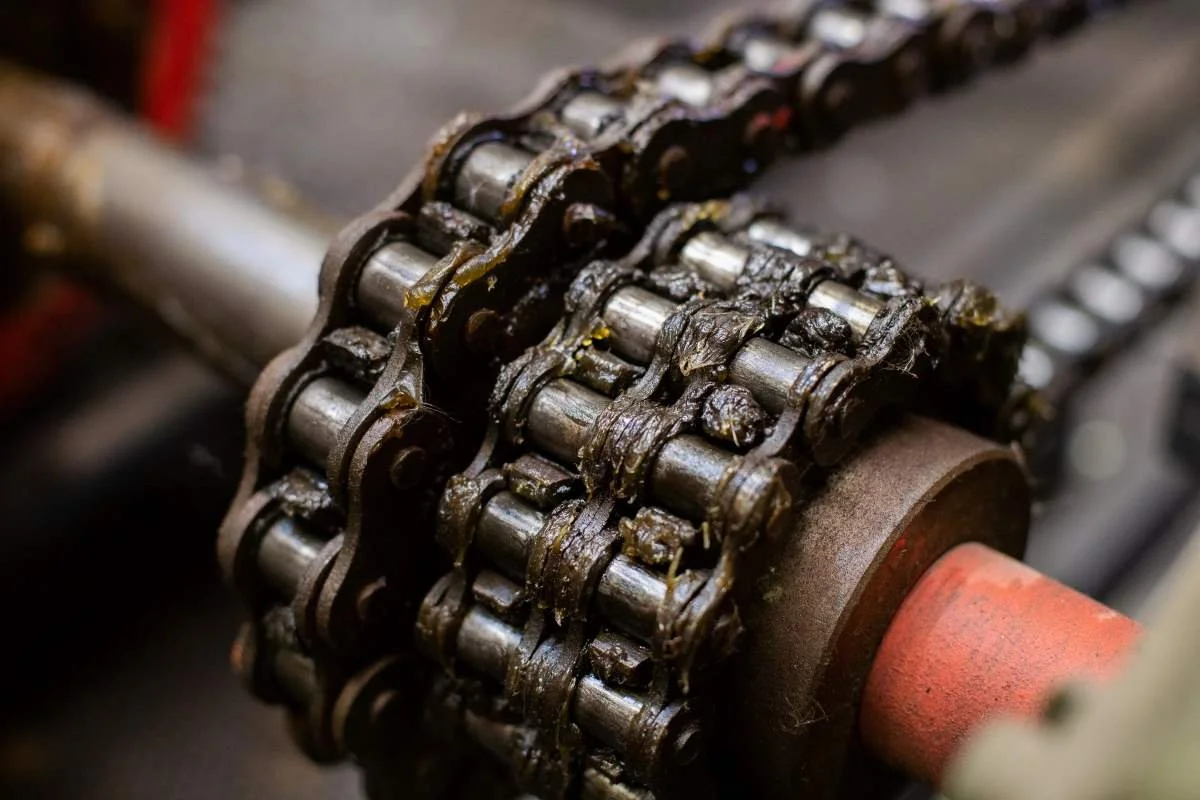
Lift Drive System
Belts, chains, lift drive components, motor behaviour and carriage movement are checked for slip, wear, drag or failure.
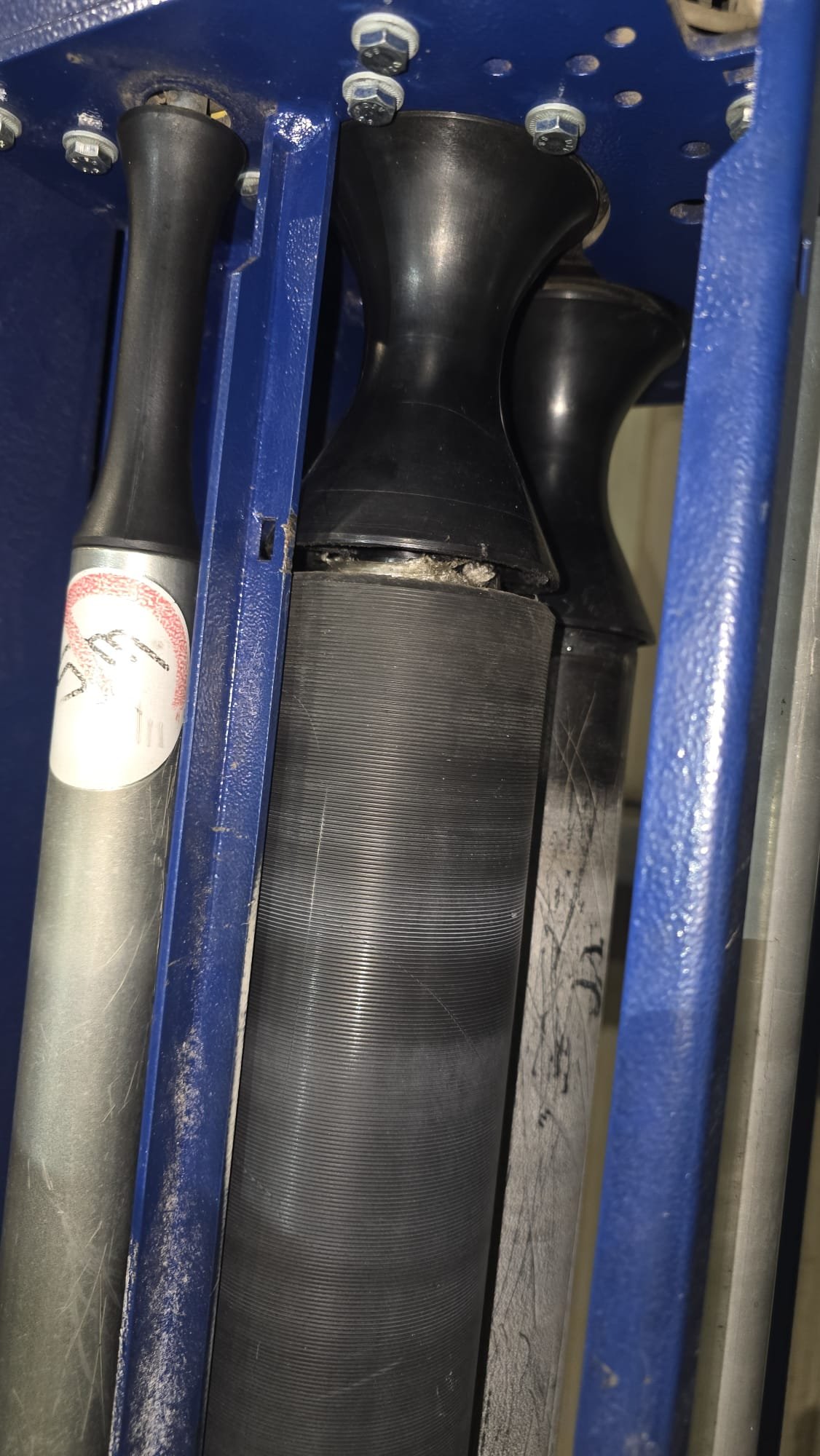
Pre-Stretch Unit
Rollers, roller surfaces, film grip, roller pressure and film path are reviewed where stretch or tension has changed.
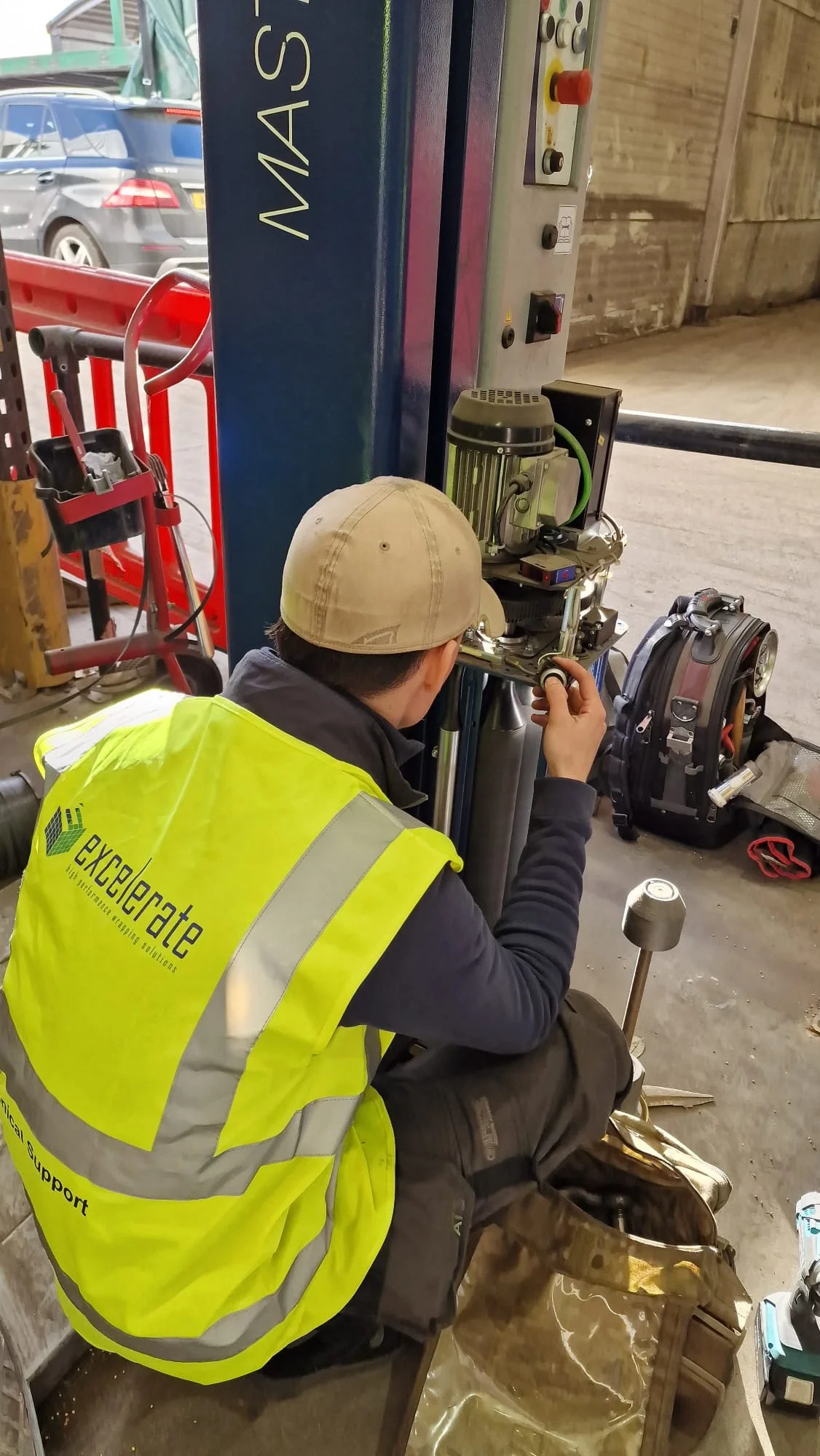
Control Inputs
Drive signals, plugs, wiring, limit switches, sensors and sequence conditions are checked before parts are condemned.
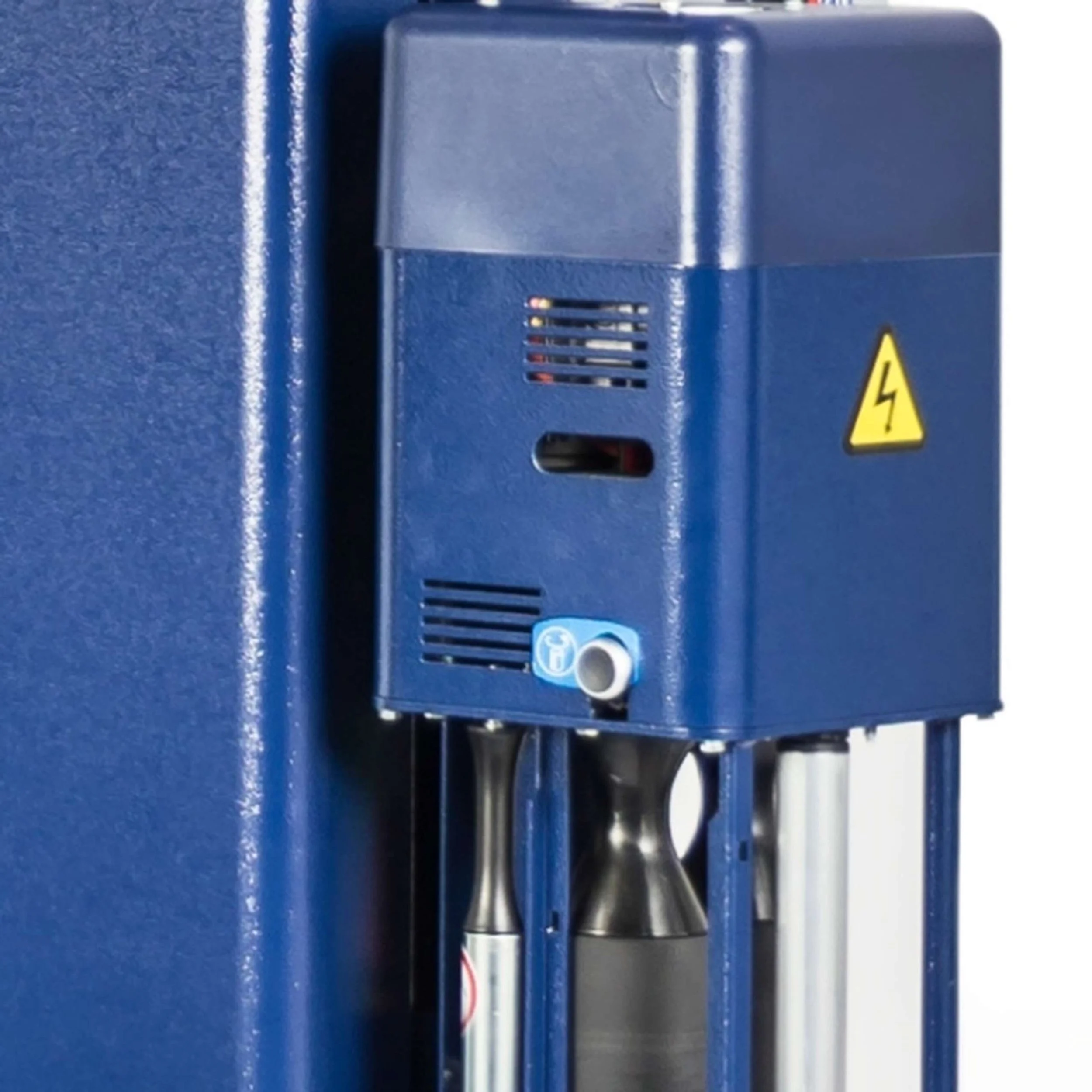
Limit & Position Signals
Upper/lower carriage limits, height detection and position feedback can all affect carriage movement and wrap height.
Why Carriage Faults Often Look Like Film Faults
Operators see film snapping, loose wrap or poor load containment. That does not mean the film is wrong. It may mean the carriage is not controlling the film properly.
The Hidden Cost Of Compensating
Increasing film thickness, adding revolutions or reducing tension may keep production moving, but it can hide worn rollers, poor pre-stretch, mechanical drag or unstable carriage movement.
- ✓ Worn rollers can reduce stretch performance.
- ✓ Poor film path can create edge damage.
- ✓ Carriage drag can affect overlap and containment.
- ✓ Tension faults can make good film perform badly.
The Useful Question
Not simply: “is the film strong enough?”
The correct question is: is the carriage gripping, stretching, moving and controlling the film correctly?
Our Diagnosis Process
We keep the process controlled. No blind roller swapping, no endless tension changes, no treating repeat carriage faults as operator error.
Define The Carriage Fault
We identify whether the issue is lift movement, film tension, film path, stretch performance, stopping position or intermittent behaviour.
Inspect Movement
Carriage travel, mast condition, guides, lift belts, chains and mechanical resistance are reviewed under operating conditions.
Check Film Path
Threading, rollers, surface wear, contamination, contact points and edge damage are checked before blaming the film.
Review Tension Control
Brake, clutch, load cell, dancer arm or electronic tension systems are assessed where film force is inconsistent.
Trace Electrical Inputs
Wiring, plugs, drive signals, limit switches and sensor inputs are considered where movement faults appear intermittent.
Recommend The Correct Fix
You get a practical engineer-led recommendation based on machine condition, not a generic online checklist.
Related Fault Diagnosis Pages
Carriage faults often connect to film snapping, pallet detection, rotation faults and wider wrapper diagnostics. These pages keep the technical structure connected.
Stretch Wrapper Keeps Snapping Film
For repeated film breaks, tension faults, carriage issues and load contact problems.
View film snappingPallet Wrapper Not Detecting Pallet
For photoeye, photocell, height detection and machine sequence faults.
View detection faultPallet Wrapper Not Rotating
For wrappers that power up but do not rotate, hesitate or fault when the cycle begins.
View rotation faultPallet Wrapper Diagnostics
Fault-finding across mechanical, electrical, film and operational wrapper issues.
View diagnosticsPallet Wrapper Repair
Repair support for pallet wrappers with mechanical, electrical or wrapping faults.
View repairEmergency Wrapper Repair
Support for urgent machine stoppages, breakdowns and dispatch-critical faults.
View emergency repairRobopac Servicing
Robopac wrapper service, inspection, support and fault diagnosis.
View Robopac supportMechanical Wear Identification
Recognising wear patterns before they become repeat breakdowns.
View wear guidanceFAQ
Why is my pallet wrapper carriage not going up?
Can worn pre-stretch rollers cause film problems?
Why does the carriage stop at the wrong height?
Can a carriage fault cause film snapping?
Do Excelerate repair pallet wrapper carriage faults?
Carriage Fault? Diagnose The Wrapper Properly.
If the carriage is sticking, failing to lift, damaging film or applying inconsistent tension, the site needs more than setting changes. Excelerate can inspect the machine, identify the fault area and recommend the correct repair route.
What We Check During A Carriage Fault Visit
We do not start by blaming the film. We check whether the carriage is moving correctly, stretching correctly and applying controlled film tension.
Lift Drive System
Belts, chains, lift drive components, motor behaviour and carriage movement are checked for slip, wear, drag or failure.
Pre-Stretch Unit
Rollers, roller surfaces, film grip, roller pressure and film path are reviewed where stretch or tension has changed.
Control Inputs
Drive signals, plugs, wiring, limit switches, sensors and sequence conditions are checked before parts are condemned.
Limit & Position Signals
Upper/lower carriage limits, height detection and position feedback can all affect carriage movement and wrap height.
Why Carriage Faults Often Look Like Film Faults
Operators see film snapping, loose wrap or poor load containment. That does not mean the film is wrong. It may mean the carriage is not controlling the film properly.
The Hidden Cost Of Compensating
Increasing film thickness, adding revolutions or reducing tension may keep production moving, but it can hide worn rollers, poor pre-stretch, mechanical drag or unstable carriage movement.
- ✓ Worn rollers can reduce stretch performance.
- ✓ Poor film path can create edge damage.
- ✓ Carriage drag can affect overlap and containment.
- ✓ Tension faults can make good film perform badly.
The Useful Question
Not simply: “is the film strong enough?”
The correct question is: is the carriage gripping, stretching, moving and controlling the film correctly?
Our Diagnosis Process
We keep the process controlled. No blind roller swapping, no endless tension changes, no treating repeat carriage faults as operator error.
Define The Carriage Fault
We identify whether the issue is lift movement, film tension, film path, stretch performance, stopping position or intermittent behaviour.
Inspect Movement
Carriage travel, mast condition, guides, lift belts, chains and mechanical resistance are reviewed under operating conditions.
Check Film Path
Threading, rollers, surface wear, contamination, contact points and edge damage are checked before blaming the film.
Review Tension Control
Brake, clutch, load cell, dancer arm or electronic tension systems are assessed where film force is inconsistent.
Trace Electrical Inputs
Wiring, plugs, drive signals, limit switches and sensor inputs are considered where movement faults appear intermittent.
Recommend The Correct Fix
You get a practical engineer-led recommendation based on machine condition, not a generic online checklist.
Related Fault Diagnosis Pages
Carriage faults often connect to film snapping, pallet detection, rotation faults and wider wrapper diagnostics. These pages keep the technical structure connected.
Stretch Wrapper Keeps Snapping Film
For repeated film breaks, tension faults, carriage issues and load contact problems.
View film snappingPallet Wrapper Not Detecting Pallet
For photoeye, photocell, height detection and machine sequence faults.
View detection faultPallet Wrapper Not Rotating
For wrappers that power up but do not rotate, hesitate or fault when the cycle begins.
View rotation faultPallet Wrapper Diagnostics
Fault-finding across mechanical, electrical, film and operational wrapper issues.
View diagnosticsPallet Wrapper Repair
Repair support for pallet wrappers with mechanical, electrical or wrapping faults.
View repairEmergency Wrapper Repair
Support for urgent machine stoppages, breakdowns and dispatch-critical faults.
View emergency repairRobopac Servicing
Robopac wrapper service, inspection, support and fault diagnosis.
View Robopac supportMechanical Wear Identification
Recognising wear patterns before they become repeat breakdowns.
View wear guidanceFAQ
Why is my pallet wrapper carriage not going up?
Can worn pre-stretch rollers cause film problems?
Why does the carriage stop at the wrong height?
Can a carriage fault cause film snapping?
Do Excelerate repair pallet wrapper carriage faults?
Carriage Fault? Diagnose The Wrapper Properly.
If the carriage is sticking, failing to lift, damaging film or applying inconsistent tension, the site needs more than setting changes. Excelerate can inspect the machine, identify the fault area and recommend the correct repair route.