

Unstable Pallet After Wrapping
If pallets are moving, leaning, collapsing, bulging or arriving unstable after wrapping, the issue is rarely solved by simply adding more film.
Real load stability depends on containment force, pallet build, film behaviour, machine condition, pre-stretch, wrap pattern and whether the load is properly secured to the pallet.
Need active support? View our load stability, pallet wrap optimisation, pallet wrapper repair and pallet wrap pages.
- ✓ Load stability issues
- ✓ Containment force problems
- ✓ Machine setup faults
- ✓ Film optimisation support
Unstable Loads Are A Safety, Damage And Cost Problem
A wrapped pallet should behave as a secure unit load. If goods move on the pallet after wrapping, the issue can affect transport safety, warehouse handling, customer damage claims and operator confidence.
What Sites Usually See
Instability is often noticed after the pallet has left the wrapper: during forklift movement, loading, transport, unloading or customer receipt.
- ✕ Pallets lean or twist after wrapping.
- ✕ Product moves inside the wrap during transit.
- ✕ Bottom layers shift away from the pallet base.
- ✕ Film looks tight but the load still moves.
- ✕ Operators add extra wraps but the issue continues.
The Operational Reality
Load stability is not achieved by roll price alone. It is achieved by the right film, applied at the right force, in the right pattern, through a machine that is working correctly.
More film can hide the issue. It can also increase cost without solving the root cause.
Common Causes Of Unstable Wrapped Pallets
The same symptom can be caused by weak pallet build, poor machine setup, incorrect film behaviour, low containment force, damaged pre-stretch components or the wrong wrap pattern for the load.
| Observed Symptom | Likely Cause Area | Why Diagnosis Matters |
|---|---|---|
| Load moves but wrap looks tight | Low containment force, poor force distribution or wrong wrap pattern | The film may look secure but not apply enough holding force to the right parts of the load. |
| Bottom of pallet shifts | Insufficient base wraps, poor film anchoring or weak pallet-to-load bonding | The goods must be secured to the pallet, not simply wrapped around the outside. |
| Top of load moves | Poor top wraps, wrong carriage height, load shape or insufficient upper containment | Loads can fail at the top even if the base looks stable. |
| Film crushes product but load still moves | Wrong film force, poor load profile, weak packaging or incorrect machine setting | High tension in the wrong place can damage product without stabilising the pallet. |
| Loads vary from pallet to pallet | Inconsistent pallet build, operator changes, sensor issues or programme variation | Stability depends on repeatability, not one good test wrap. |
| Machine uses excessive film | Damaged pre-stretch, bypassed rollers, poor stretch ratio or inefficient wrap programme | The site may be paying for more plastic without gaining real containment. |
If pallets remain unstable after wrapping, the answer is not automatically thicker film. The full wrapping system needs to be checked.
Book A Load Stability ReviewWhat We Investigate
Load stability sits at the intersection of pallet build, wrapping machinery, film specification, pre-stretch performance, containment force and operational handling.
- ✕ Containment force and force distribution
- ✕ Base wrap anchoring and pallet bonding
- ✕ Pre-stretch roller condition and actual stretch ratio
- ✕ Film tension, secondary tension and machine programme
- ✕ Wrap pattern, overlap and top/bottom revolutions
- ✕ Pallet build, product shape and packaging rigidity
- ✕ Forklift handling and transport movement risk
- ✕ Film selection, downgauging and pallet wrap optimisation
- ✕ Machine condition, carriage faults and film path issues
- ✕ Compliance risk around load stability and securing
The objective is not to use the most film. The objective is to create a stable unit load at the lowest sensible cost and plastic use.
View Pallet Wrap OptimisationMachine Condition Can Destroy Load Stability
A pallet wrapper can appear to be working while quietly applying inconsistent force, poor stretch or the wrong film path. That is where many stability issues start.
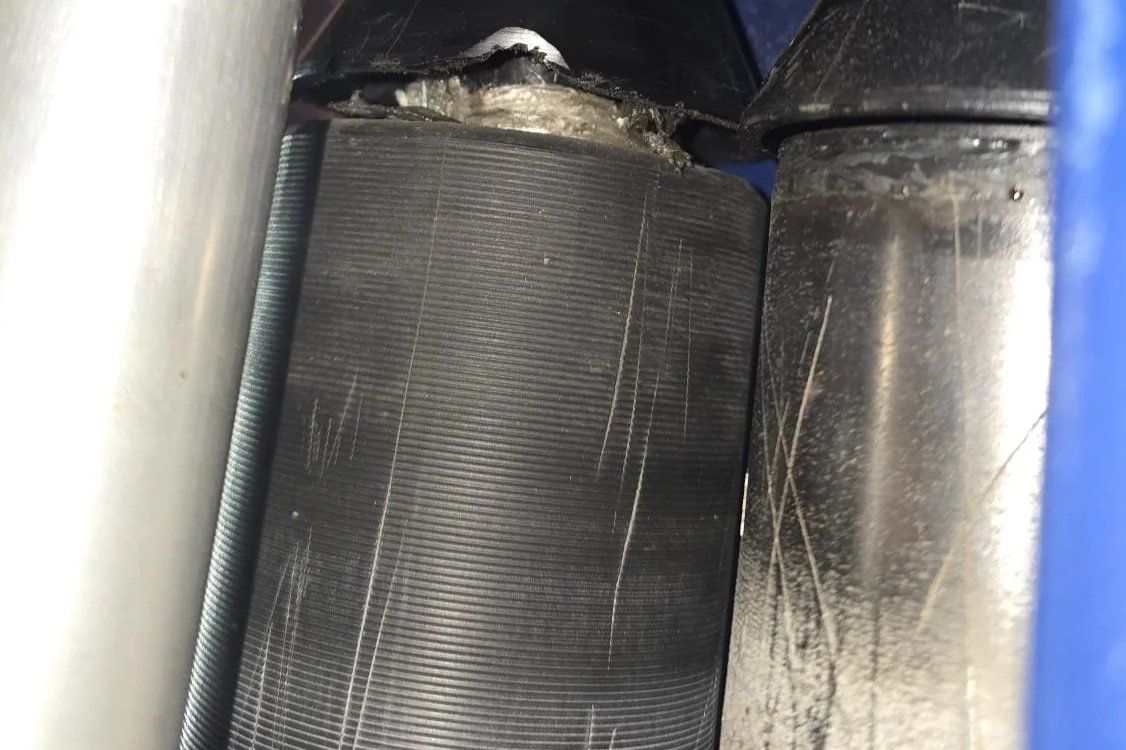
Carriage & Pre-Stretch Faults
Worn rollers, poor film grip, incorrect threading and carriage drag can reduce real containment while increasing film waste.
View carriage faults →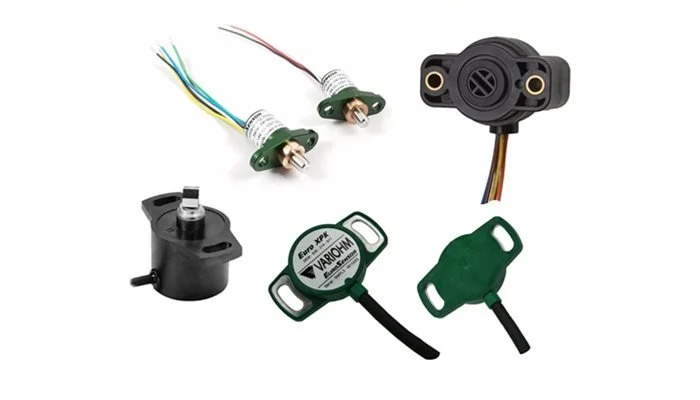
Sensor & Height Detection
If the wrapper misreads pallet height or position, it can apply the wrong wrap pattern and leave the load poorly contained.
View sensor faults →
Film Snapping & Weak Application
If operators reduce settings to stop film snapping, the pallet may wrap successfully but lose containment performance.
View film snapping →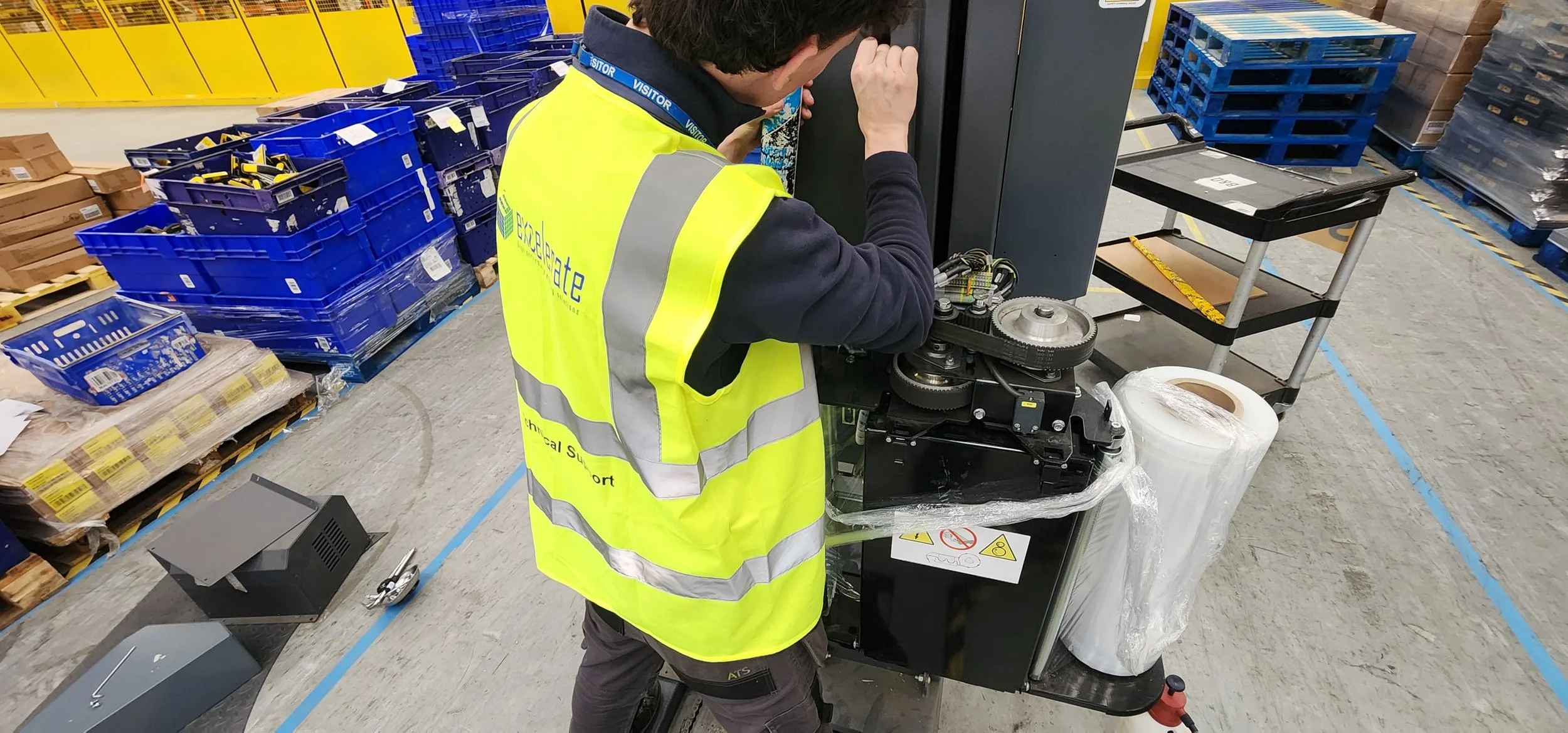
Wrapper Diagnostics
Mechanical, electrical, film and operational fault-finding helps identify why stability has changed.
View diagnostics →Why The Cheapest Roll Can Become The Most Expensive Pallet
Roll price does not tell you whether the pallet is stable. The real measure is cost per secure pallet, not cost per roll.
The Cost Problem
A site can buy cheaper film and still spend more if the wrapper needs extra revolutions, lower stretch, higher film weight or more operator intervention to keep loads stable.
- ✓ More revolutions increase film use and cycle time.
- ✓ Poor pre-stretch reduces metres gained from each roll.
- ✓ Weak containment increases damage risk.
- ✓ Unstable loads create hidden operational cost.
The Useful Question
Not: “how cheap is the roll?”
The correct question is: what does it cost to produce a stable, transport-ready pallet?
Our Stability Review Process
We look at the pallet as a complete system, not just the film roll being used.
Assess The Load
We review pallet build, product shape, packaging rigidity, height, weight and movement risk.
Check The Wrapper
Pre-stretch, carriage condition, sensors, film path, tension settings and wrap programme are assessed.
Evaluate Film Behaviour
Film strength, stretch behaviour, puncture resistance, memory and containment performance are considered.
Optimise The System
The aim is stable pallets, controlled plastic use, fewer roll changes and lower operational drag.
Related Technical Pages
Unstable loads connect directly to containment force, pallet wrap optimisation, machine condition and the quality of the film application.
Load Stability & Containment
Technical guidance on containment force, stretch behaviour and pallet movement.
View load stability →Pallet Wrap Optimisation
Reduce film waste while protecting load stability and wrapped pallet performance.
View optimisation →Pallet Wrap
Solid pallet wrap, machine film and stretch film support based on cost per secure pallet.
View pallet wrap →Pallet Wrapper Repair
Repair support for wrappers affecting containment, stability, film path and machine performance.
View repair →Machinery Servicing
Preventative servicing and condition checks for pallet wrappers and end-of-line systems.
View servicing →Carriage Faults
Carriage, roller and pre-stretch issues that can affect film force and containment.
View carriage faults →Sensor Faults
Height detection, pallet detection and sequence issues that affect wrap application.
View sensor faults →Technical Centre
Central hub for wrapper diagnostics, optimisation, load stability and airflow performance.
View technical centre →FAQ
Why are my pallets unstable after wrapping?
Will thicker pallet wrap fix unstable loads?
What is containment force?
Can machine condition affect pallet stability?
Can Excelerate help reduce film while keeping loads stable?
Unstable Loads Need System-Level Diagnosis.
If wrapped pallets are still moving, leaning, collapsing or arriving damaged, the answer is not guesswork. Excelerate can review the load, machine, film, containment requirement and operational process together.